
Research-Based Analysis: How Milking Machines Improve Dairy Farm Productivity and Milk Quality
Introduction
The global dairy industry is under increasing pressure to produce more milk while maintaining high standards of animal welfare, hygiene, and operational efficiency. Traditional hand milking methods, although still practiced in some regions, often struggle to meet the demands of modern dairy farming. Consequently, milking machines have become a vital technology for dairy producers worldwide.
Discover the best milking machine for cattle from Delmer Group designed for efficiency, hygiene, and higher dairy productivity.
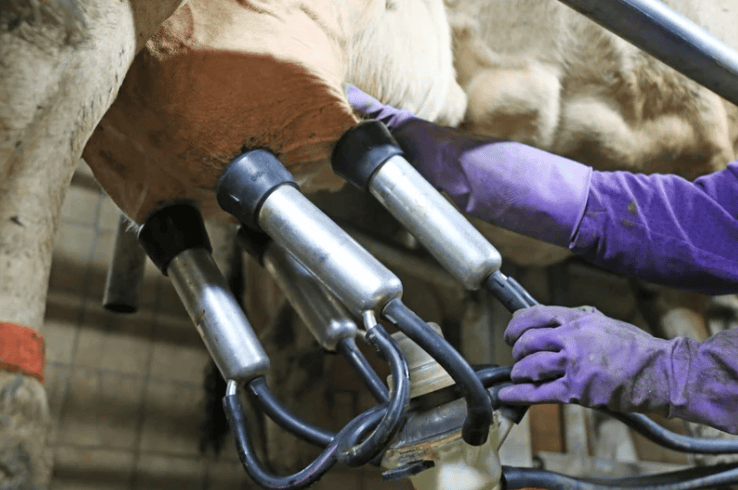
Research conducted by agricultural universities, dairy research institutes, and industry organizations consistently shows that modern milking systems can improve milk quality, reduce labor requirements, enhance animal comfort, and increase farm profitability. This article examines the science behind milking machines and their impact on dairy farm performance.
The Evolution of Milking Technology
For centuries, dairy animals were milked manually. However, as herd sizes increased and labor costs rose, farmers began adopting mechanical milking systems to improve efficiency.
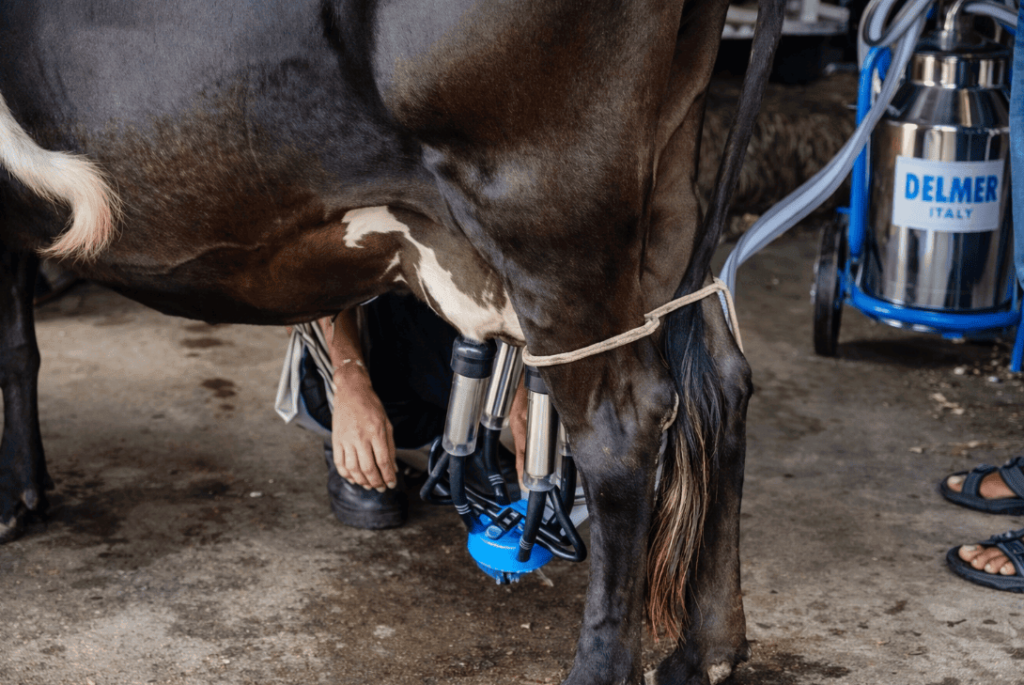
Today’s milking machines use controlled vacuum and pulsation technology to mimic the natural suckling action of a calf. This allows milk to be extracted safely and consistently while minimizing stress on the animal.
Modern systems include:
- Portable milking machines
- Pipeline milking systems
- Herringbone parlors
- Rotary milking parlors
- Robotic milking systems
Each technology level is designed to address specific farm sizes and production requirements.
Revolutionize your milk production with smart dairy farm automation – boosting efficiency, hygiene, and profits effortlessly.
Research Findings on Milking Machine Efficiency
Reduced Milking Time
One of the most widely documented benefits of milking machines is the reduction in milking time.
According to studies published in dairy science journals, machine milking can reduce labor requirements by 30% to 60% compared to manual milking. This efficiency allows farmers to manage larger herds without proportionally increasing labor costs.
Researchers attribute these improvements to:
- Faster milk extraction
- Simultaneous milking of multiple animals
- Consistent milking routines
- Reduced operator fatigue
As a result, dairy farms can allocate labor to herd management, feeding, and health monitoring activities.
Increased Milk Yield
Several scientific studies have found a positive relationship between proper machine milking and milk production.
Research indicates that cows respond favorably to consistent milking schedules and controlled vacuum systems. Properly adjusted milking machines help achieve complete milk removal, which stimulates continued milk production.
Optimize performance and health with a smart herd management system – your digital partner for efficient dairy farming.
Key findings include:
- More consistent milk let-down
- Improved udder emptying
- Reduced milking stress
- Enhanced lactation performance
While results vary depending on breed, nutrition, and management practices, many farms report measurable increases in milk yield after adopting modern milking systems.
Impact on Milk Quality
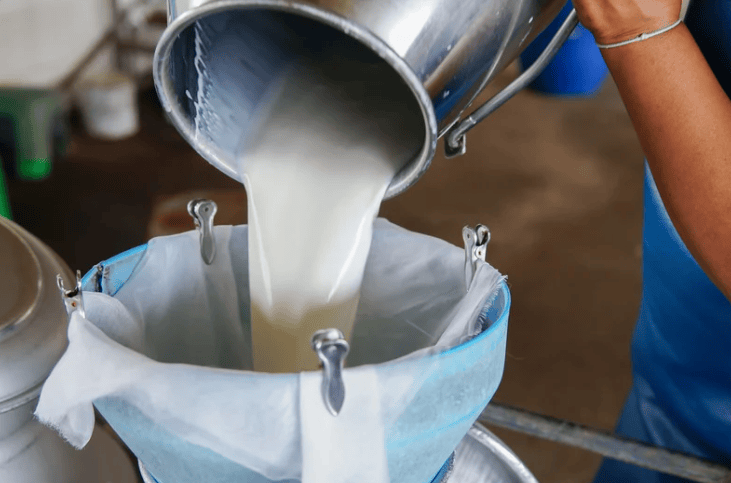
Lower Bacterial Contamination
Milk quality remains a critical factor in dairy profitability. Scientific research consistently shows that machine milking can improve milk hygiene when combined with proper cleaning protocols.
Machine systems reduce direct human contact with milk, minimizing the introduction of contaminants.
Research has linked milking machines to:
- Lower bacterial counts
- Reduced environmental contamination
- Improved milk shelf life
- Better compliance with dairy quality standards
These improvements are particularly important for farms supplying commercial processors and export markets.
Reduced Risk of Mastitis
Mastitis is one of the most costly diseases affecting dairy farms worldwide.
Studies from veterinary and dairy research institutions indicate that properly maintained milking equipment can contribute to udder health by ensuring uniform milking pressure and reducing teat damage.
Research highlights the importance of:
- Correct vacuum levels
- Appropriate pulsation rates
- Regular equipment maintenance
- Effective sanitation practices
When these factors are managed properly, farms often experience lower mastitis incidence and improved herd health.
To optimize your dairy farm’s daily operations, explore our complete range of highly efficient milking parlours.
Animal Welfare Benefits Supported by Research
Animal welfare has become a major focus within the dairy industry.
Researchers have found that modern milking machines provide several welfare advantages compared to inconsistent manual milking techniques.
Benefits include:
Consistent Milking Experience
Animals thrive on routine. Machine milking provides predictable milking patterns that reduce stress and anxiety.
Reduced Physical Discomfort
Advanced pulsation systems are designed to mimic natural nursing behavior, helping prevent teat injury and discomfort.
Better Health Monitoring
Many automated systems collect data on milk flow rates, conductivity, and production patterns. These indicators can help identify health issues before clinical symptoms appear.
Research suggests that healthier animals generally produce more milk and have longer productive lifespans.
This is why farmers across India are upgrading to Delmer Milking Machines.
Economic Analysis of Milking Machine Adoption
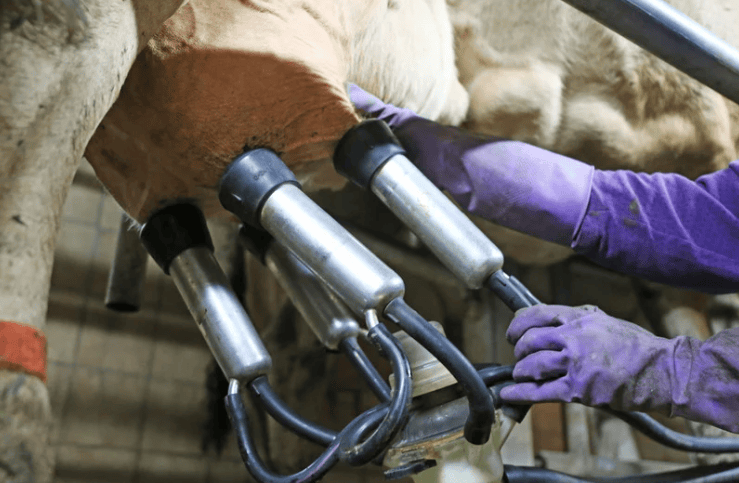
Initial Investment Versus Long-Term Returns
One of the primary concerns among dairy farmers is the cost of milking equipment.
Economic studies show that while milking systems require upfront investment, the long-term benefits often outweigh the initial expenditure.
Major financial advantages include:
- Reduced labor expenses
- Increased milk production
- Improved milk quality premiums
- Lower disease-related losses
- Greater operational efficiency
The return on investment typically depends on herd size, milk prices, labor costs, and overall farm management practices.
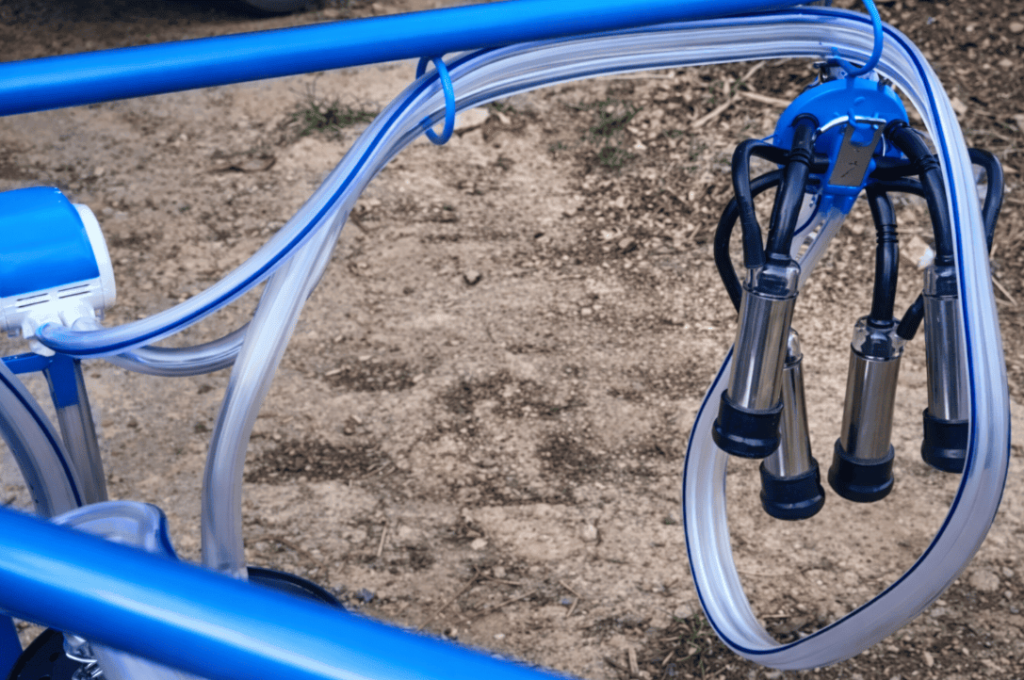
The Delmer 2 Bucket Milking Machine is ideal for farmers moving from manual milking to hygienic machine milking. It allows two cows to be milked simultaneously while maintaining proper vacuum stability.
Scalability for Growing Dairy Farms
Research indicates that labor availability is becoming a significant challenge for dairy producers worldwide.
Milking machines allow farms to expand herd sizes without proportional increases in workforce requirements. This scalability is particularly important in regions experiencing agricultural labor shortages.
As dairy operations grow, automated milking technologies help maintain productivity while controlling operational costs.
The Rise of Smart Milking Systems
Recent research focuses on integrating digital technologies into dairy operations.
Modern milking systems increasingly feature:
- Artificial intelligence monitoring
- Real-time milk yield tracking
- Automated animal identification
- Predictive maintenance systems
- Cloud-based farm management software
These innovations enable farmers to make data-driven decisions and improve overall herd performance.
Industry experts predict that smart dairy technologies will play a major role in the future of sustainable milk production.
Key Considerations Before Investing in a Milking Machine
Research recommends evaluating several factors before purchasing milking equipment:
Herd Size
The system should match current and future production requirements.
Equipment Quality
Durable materials such as stainless steel improve hygiene and longevity.
Energy Consumption
Efficient systems help reduce operating costs.
Maintenance Requirements
Regular servicing is essential for performance and animal welfare.
Technical Support
Reliable after-sales service ensures uninterrupted farm operations.
Selecting the right equipment can significantly influence the success of dairy automation initiatives.
Conclusion
Research from dairy science, veterinary medicine, and agricultural economics consistently demonstrates that milking machines offer substantial benefits for modern dairy farms. By improving labor efficiency, enhancing milk quality, supporting animal welfare, and increasing profitability, these systems have become an essential component of sustainable dairy production.
As global demand for high-quality dairy products continues to rise, milking machine technology will remain a key driver of innovation and productivity in the dairy industry. Farms that invest in modern milking solutions are better positioned to improve operational performance, maintain product quality, and compete in an increasingly technology-driven agricultural landscape.
for more information visit delmerindia.com