
How Fast Can You Milk High-Yielding Cows? Understanding Milk Flow, Teat Health & Efficient Milking
High-yielding cows can produce significantly more milk without necessarily requiring proportionally more time in the milking process. The key is not simply how much milk a cow produces, but how efficiently milk flows and how well the cow’s teats and udder are prepared for milking.
For dairy farmers, this means that efficient milking is not only about increasing speed—it is about achieving good milk flow while protecting teat and udder health.
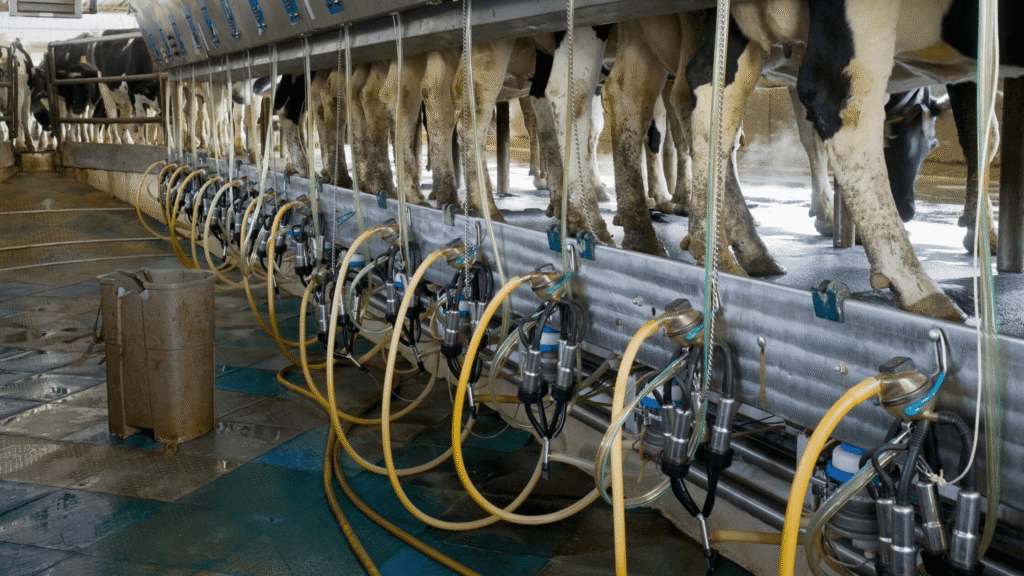
A milking parlour is a specialized, hygienic area designed for efficiently milking cows using automated or semi-automated systems.
How Long Does It Take to Milk a High-Yielding Cow?
One of the most interesting points from the source is that increasing milk production does not necessarily result in a dramatically longer milking duration.
The document gives these examples:
- 10 kg milk per session: approximately 4 minutes
- 20 kg milk per session: approximately 5 minutes
Why Does Milk Flow Increase in High-Yielding Cows?
The PDF explains that the difference in average milk flow—from approximately 2.5 to 4.0 kg per minute—is associated with higher pressure within the udder and consequently higher flow rates from the teat into the milking machine.
From robotic feed mixers to smart feed boxes, automated feeding systems provide accurate rations based on each cow’s needs.
In practical terms, a high-yielding cow can release milk efficiently when:
- The cow is properly prepared for milking.
- Milk let-down is properly stimulated.
- Teat condition is maintained.
- The milking equipment operates correctly.
- The milking process does not unnecessarily prolong low-flow periods.
This makes milking preparation and equipment performance just as important as the cow’s production potential.Why Teat Condition Matters During Milking
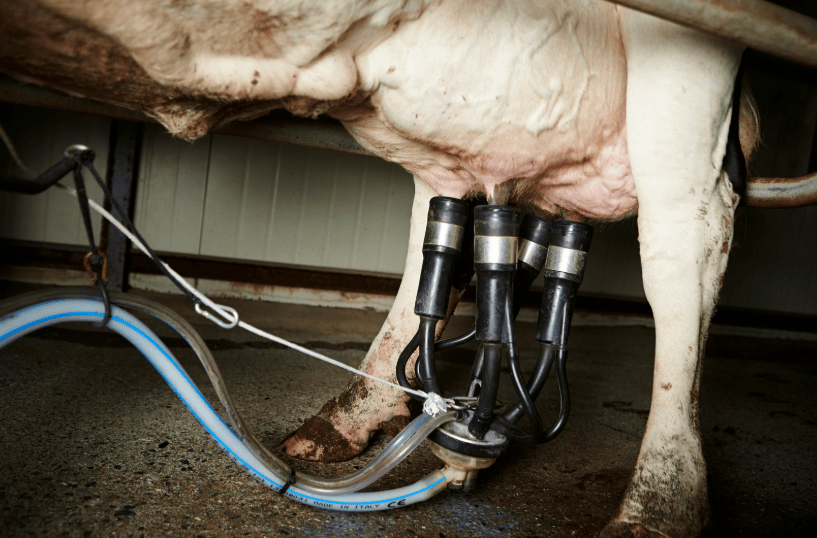
Fast milking should never come at the expense of teat health.
The source specifically warns that longer milking duration can negatively affect the teat sphincter and are associated with higher rates of hypermarkets. It also highlights the importance of maintaining soft, elastic teat skin.
Automated manure scrapers and vacuums keep barns clean, improving hygiene and reducing disease risk.
Poor teat condition can result in:
- Cracks and sores
- Increased irritation
- Greater risk of mastitis
- More difficult milking
- Increased cow discomfort
- Longer milking duration
The document emphasizes that strained teat skin can increase the risk of high somatic cell count (SCC) and clinical mastitis.
For dairy farmers, teat care should therefore be treated as part of the milking system—not as an optional extra.
Can Sore Teats Make Milking Take Longer?
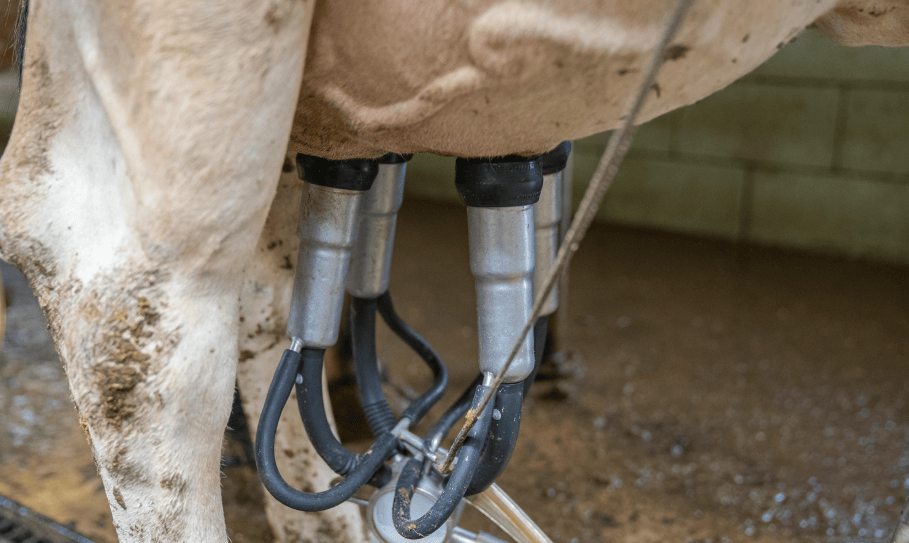
Yes, according to the source document.
The PDF explains that cows with irritated or sore teats may be more likely to kick off during milking and can experience substantially longer milking times. It attributes this to discomfort during milking and inadequate oxytocin release, which is important for effective milk let-down.
This creates an important connection:
Poor teat condition → discomfort → poorer milk let-down → longer milking → greater udder-health concerns.
That is why dairy farms should approach milking as a complete process rather than focusing only on the milking machine itself.
A herd management system is a digital solution that tracks and manages every aspect of your dairy herd—from health and reproduction to milk yield and performance—for smarter, data-driven farm decisions.
Why Every Second of Low Milk Flow Matters
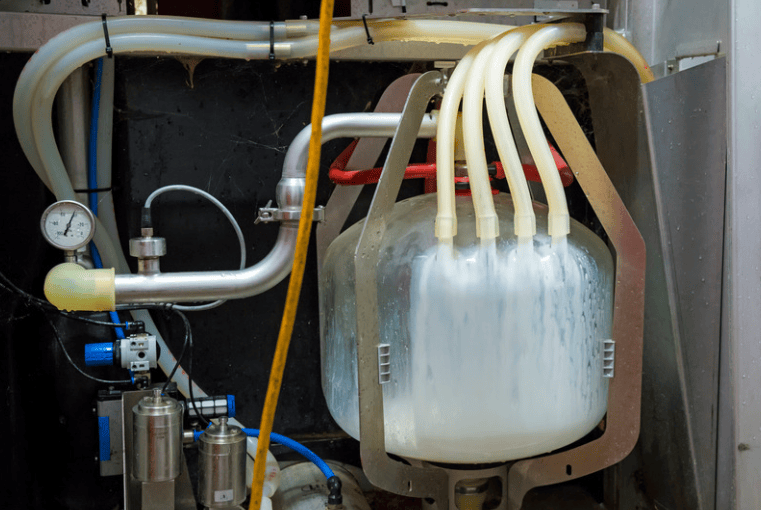
he document describes the percentage of low flow as a KPI that can indicate how long the milking unit is operating while milk flow is minimal.
Our Cow Comfort Collection is crafted to enhance the well-being of your herd, leading to increased productivity and profitability. With a focus on quality,durability,and efficiency,we offer the best dairy farm equipment to create a stress-free environment for your cows.
For example, the source explains that if a cow is milked for five minutes and spends 20% of that time at low flow, this represents approximately 60 seconds of low-flow milking.
Reducing the low-flow percentage to 5% would, according to the document’s example, save approximately 45 seconds of milking time while supporting better cow comfort and reducing mastitis risk.
This is why dairy farmers should monitor more than simply:
“How many minutes does it take to milk one cow?”
A better question is:
“How efficiently is milk being harvested throughout the milking session?”
How to Improve Milking Efficiency on a Dairy Farm
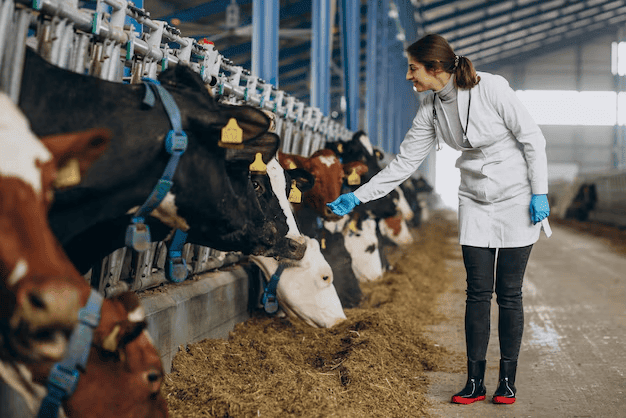
1. Prioritize Teat Care
The source recommends using teat-care products with a high level of emollient ingredients combined with disinfectant performance.
Healthy teat skin helps create better conditions for the milking process.
2. Prepare Cows Properly Before Milking
Cow preparation should follow consistent routines. Proper stimulation before attaching the milking unit can support effective milk let-down and help avoid unnecessary delays during milking.
3. Use Suitable Milking Equipment
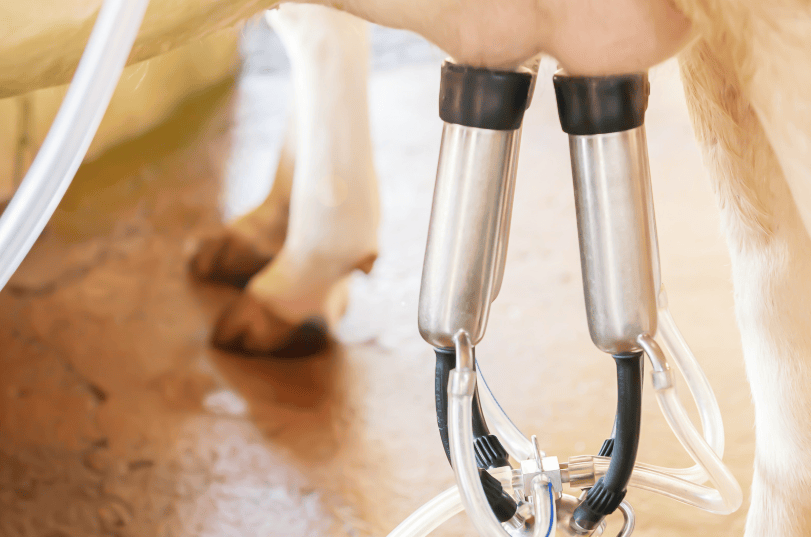
The milking machine, pulsator, liners, teat cups and vacuum system all contribute to the milking process.
DELMER offers a range of milking machines for cows and buffaloes, including portable bucket systems and fixed milking solutions. Delmer Group
For farms requiring organized group milking, DELMER also provides milking parlour systems, including Herringbone, Tandem and Rapid Exit Parallel configurations. Delmer Group
4. Check the Milking Cluster and Liners
The teat liner is directly involved in the interaction between the milking system and the cow’s teat.
DELMER’s milking clusters are designed with stainless-steel teat cups and rubber liners for cow and buffalo milking applications. Delmer Group
The company also provides milking machine parts and liners for farms maintaining or upgrading their existing milking systems. Delmer Group
Choosing the Right Milking Machine for High-Yielding Cows
There is no single milking machine configuration that fits every dairy farm. Herd size, number of cows milked per session, available labour, farm layout and desired throughput should all be considered.
For smaller and medium-sized dairy operations, portable bucket milking machines can provide a practical solution.
For example, the DELMER Wally Series Milking Machine is designed for efficient and gentle milking of cows and buffaloes. Delmer Group
For larger dairy operations, fixed systems and parlours can help organize cow movement and improve milking workflow. DELMER’s Rapid Exit Parallel Parlour, for example, is designed around faster cow exit and efficient group movement. Delmer Group
Milking Speed vs. Cow Comfort: What Should Farmers Measure?
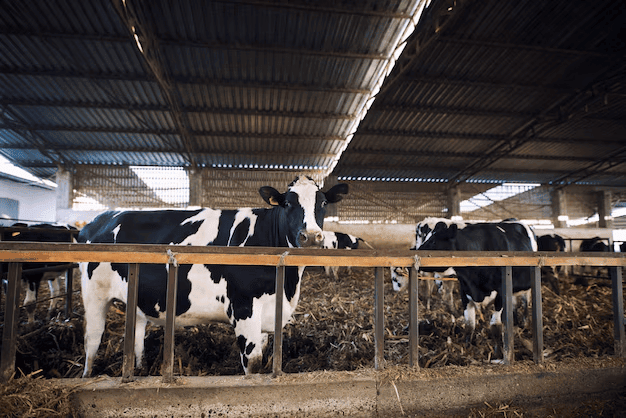
A faster milking process is not automatically a better milking process.
Farmers should consider several indicators together:
- Total milking duration
- Average milk flow
- Low-flow percentage
- Teat condition
- Cow behaviour during milking
- Liner and cluster performance
- Vacuum and pulsation consistency
- Udder health
- Mastitis incidence
- Milk quality indicators
The PDF’s central message is that milking efficiency and cow welfare are closely connected. Proper stimulation, teat care and preventive management can help create better conditions for both the animal and the farm operation.
Frequently Asked Questions
How fast can a high-yielding cow be milked?
According to the provided source, a cow producing approximately 10 kg per milking session may take around 4 minutes, while a cow producing approximately 20 kg may take around 5 minutes. Actual milking time varies according to the cow, equipment, preparation and milking conditions.
Does higher milk production always mean longer milking?
Not necessarily. The source indicates that increasing milk production does not dramatically increase total milking duration, because higher milk flow can compensate for the additional volume.
Why is teat health important for fast milking?
Healthy, soft and elastic teat skin helps create better conditions for milking. The source associates strained or irritated teat skin with increased risks related to SCC, mastitis and longer milking.
What is low-flow percentage in milking?
Low-flow percentage indicates how much of the milking period occurs when milk flow is minimal. The provided document presents it as a useful KPI for evaluating milking performance and identifying potentially excessive low-flow milking time.
How can dairy farmers improve milking efficiency?
Focus on consistent cow preparation, effective teat care, suitable milking equipment, correct cluster and liner performance, and monitoring milk-flow data rather than looking only at total milking time.
Final Takeaway
Fast milking is not simply about removing milk faster. It is about achieving efficient milk flow while protecting teat condition, udder health and cow comfort.
The data and observations presented in the provided PDF show that a cow producing twice as much milk does not necessarily require twice as much milking time. A 10 kg yield may take around four minutes, while a 20 kg yield may take around five minutes.
For modern dairy farms, the goal should therefore be efficient milk flow, minimal unnecessary low-flow time, good teat preparation and properly maintained milking equipment.
When these factors work together, farmers can create a milking routine that supports both animal welfare and productive dairy operations.
for more information visit delmerindia.com