
Cattle Nutrition Tips for Better Milk Production
Introduction
Better milk production starts with better nutrition. A dairy cow cannot consistently produce high-quality milk if her diet does not provide enough energy, protein, fiber, minerals, vitamins, and water.
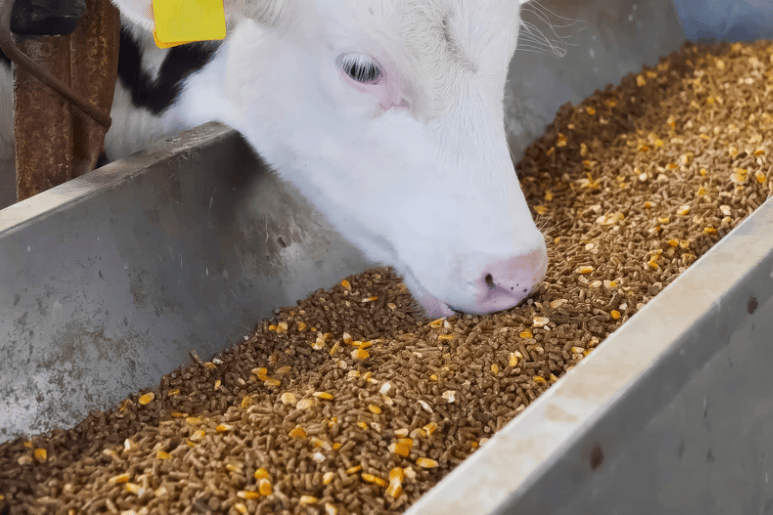
For dairy farmers, the goal is not simply to feed more. The real objective is to feed the right nutrients in the right balance, at the right time, while maintaining healthy rumen function and encouraging consistent feed intake.
Balanced mineral nutrition is essential for healthy dairy cattle and consistent milk production. Farmers can support their herd with the Delmer Mineral Mixture Powder, formulated with chelated minerals, vitamins, bio active chromium, D-Biotin, and choline.
A well-managed nutrition program can support milk yield, milk components, fertility, body condition, immunity, and overall herd performance. Research and extension guidance consistently highlight dry matter intake, ration quality, water availability, and feeding management as important factors influencing dairy cow performance.
Why Is Cattle Nutrition Important for Milk Production?
Milk production requires a continuous supply of nutrients. After digestion, nutrients from the ration are used for maintenance, body functions, reproduction, immune response, and milk synthesis.
To complement your dairy cow feeding program, consider adding an appropriate mineral mixture for cattle based on the animal’s nutritional requirements. View Delmer Mineral Mixture Powder.
If a cow’s nutritional requirements are not met, farmers may notice:
- Lower milk yield
- Reduced milk fat or protein
- Loss of body condition
- Poor fertility
- Reduced feed intake
- Higher risk of metabolic problems
- Slow recovery after calving
On the other hand, overfeeding nutrients can increase feed costs and may reduce feed efficiency. Therefore, balanced cattle nutrition is more important than simply increasing the quantity of feed.
1. Provide High-Quality Forage
Forage should form the foundation of a dairy cow’s ration. Good-quality forage provides fiber and supports normal rumen function.
Nutrition is only one part of maintaining productive dairy cattle. Supporting healthy liver function can also be part of a comprehensive cattle well-being program. Explore Delmer Liver Tonic Oral Liquid.
Common forage sources include:
- Green fodder
- Grass
- Legume fodder
- Hay
- Silage
- Crop residues of suitable nutritional quality
The quality of forage matters as much as the quantity. Mature, poorly preserved, contaminated, or highly fibrous forage can reduce palatability and dry matter intake.
For high-producing cows, forage quality should be evaluated regularly rather than judged only by appearance.
2. Balance Energy and Protein
Energy and protein are two major nutritional components associated with milk production.
For farms focusing on milk production and cattle well-being, calcium supplementation can be considered as part of a properly balanced nutritional program. Discover DelCal oral nutritional supplement.
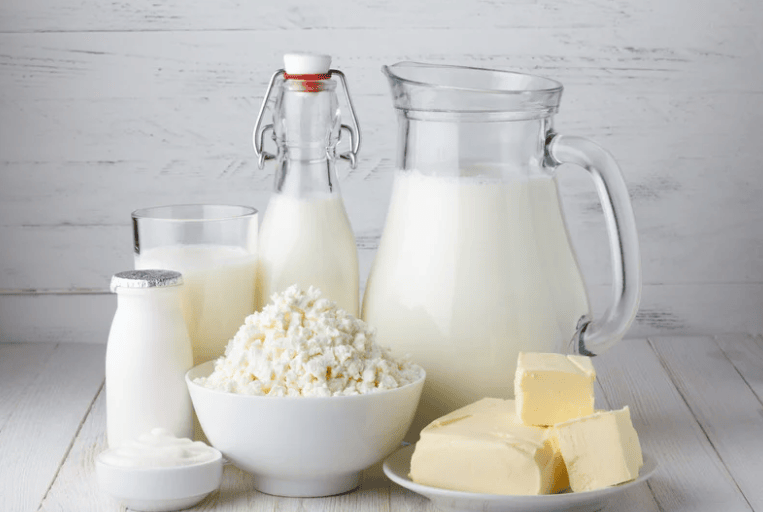
Energy supports:
- Milk synthesis
- Body maintenance
- Growth
- Reproduction
Protein supplies amino acids required for body tissues and milk protein production.
A ration that contains excess protein is not automatically a better milk-production ration. Likewise, increasing grain without considering fiber and rumen health can create nutritional problems.
The better approach is to formulate the ration according to the cow’s production level, stage of lactation, body condition, breed, forage quality, and other relevant factors.
3. Focus on Dry Matter Intake
One of the most useful measurements in dairy nutrition is dry matter intake (DMI).
Dry matter represents the feed remaining after moisture is removed. Two feeds can look similar in quantity but provide very different amounts of nutrients if their moisture levels differ.
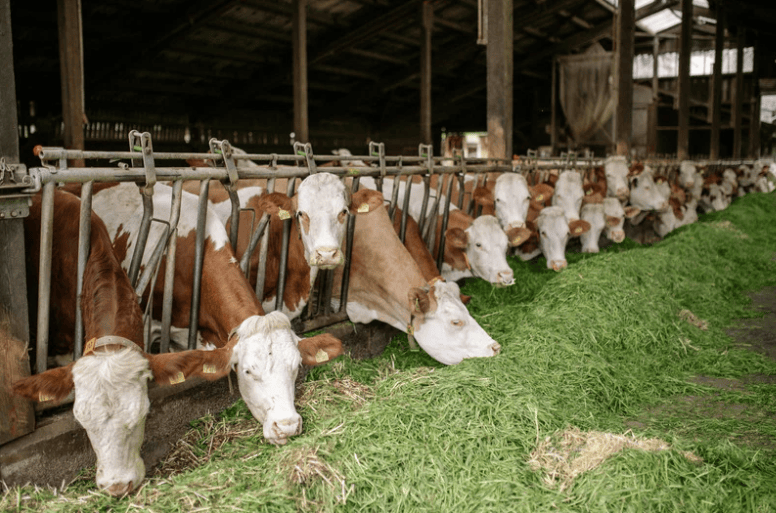
Good dairy nutrition starts before a calf becomes a milking cow. Providing appropriate nutrition during the early growth stage helps support healthy calf development and future herd performance. Explore Del Calf Milk Replacer for calf feeding support.
Higher and consistent dry matter intake generally provides cows with greater access to the nutrients needed for production. Modern dairy nutrition programs increasingly emphasize measuring actual intake rather than relying only on theoretical ration calculations.
Farmers should monitor:
- Feed offered
- Feed refusals
- Feed moisture
- Number of cows
- Changes in milk yield
- Changes in body condition
4. Maintain Enough Fiber for Rumen Health
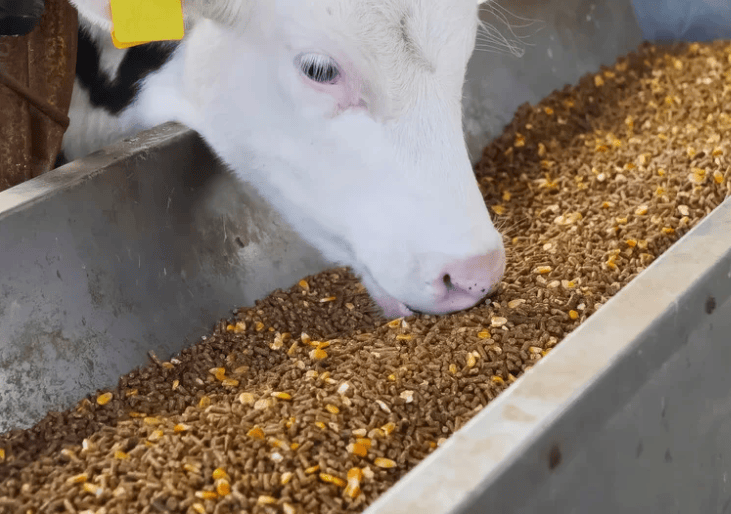
Fiber is essential for maintaining healthy rumen function.
A ration that is too low in effective fiber can increase the risk of rumen dysfunction, while excessive or poorly digestible fiber can limit nutrient intake.
Healthy calves are the foundation of a productive future herd. Along with fresh water and an appropriate calf starter, farmers can consider a suitable calf milk replacer as part of early-life nutrition. Learn more about Del Calf Milk Replacer.
The physical characteristics of the ration also matter. Very fine feed particles or excessive sorting can affect how cows consume the ration and may contribute to inconsistent nutrient intake.
The objective should be a ration that provides adequate effective fiber, digestible nutrients, and appropriate particle size.
5. Supply Essential Minerals and Vitamins
Minerals and vitamins are required in relatively small quantities, but they have important roles in cattle health and productivity.
Good cattle nutrition goes beyond feed quantity—it requires the right balance of essential nutrients. Delmer Mineral Mixture Powder provides a combination of chelated minerals, vitamins, chromium, D-Biotin, and choline for cattle, buffalo, and horses
Important minerals include:
- Calcium
- Phosphorus
- Magnesium
- Sodium
- Potassium
- Sulfur
- Trace minerals such as zinc, copper, selenium, manganese, and iodine
Mineral requirements vary according to the animal and production stage. Lactating cows, dry cows, heifers, and growing animals should not automatically receive identical mineral programs.
Mineral supplementation should therefore be based on the complete ration rather than adding products without evaluating existing nutrient levels.
6. Never Underestimate the Importance of Water
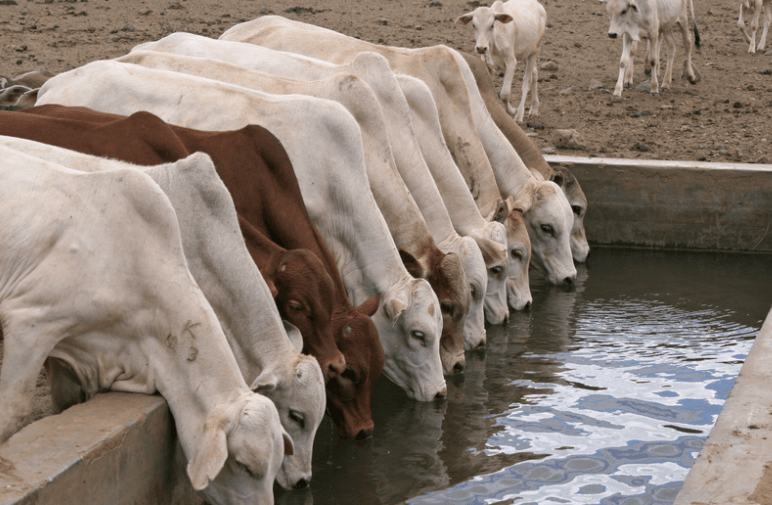
Water is one of the most important nutrients for dairy cattle.
A lactating cow needs substantial amounts of water because milk itself contains a high proportion of water. Water intake is influenced by milk production, dry matter intake, ration moisture, environmental temperature, and water quality.
A balanced diet should be supported by good animal health management. Delmer Liver Tonic Oral Liquid provides a herbal blend designed to support liver function in cattle, buffalo, and horses.
Always provide:
- Clean drinking water
- Easy access to waterers
- Adequate drinking space
- Regularly cleaned troughs or bowls
- Water with acceptable chemical and microbiological quality
During hot weather, water demand can increase significantly, making reliable water access particularly important.
7. Adjust Nutrition During Different Lactation Stages
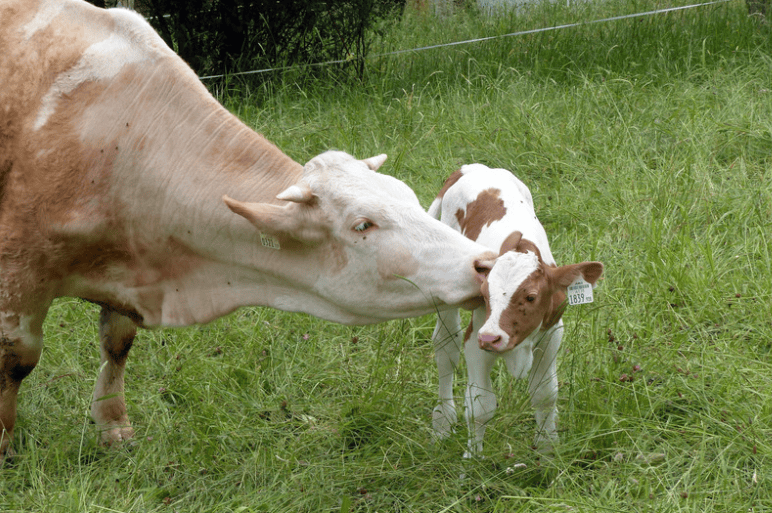
A cow’s nutritional needs change throughout the production cycle.
Early Lactation
Early-lactation cows have high nutrient requirements and may struggle to consume enough feed to meet the energy demands of milk production immediately.
For farms focusing on milk production and cattle well-being, calcium supplementation can be considered as part of a properly balanced nutritional program. Discover DelCal oral nutritional supplement.
Good management should focus on:
- Encouraging feed intake
- Providing a highly digestible ration
- Maintaining rumen health
- Supplying adequate protein and minerals
- Monitoring body condition and health
Nutrition and health during early lactation have a major influence on peak milk performance.
Mid-Lactation
As production stabilizes, the ration can be adjusted according to actual milk yield, body condition, and feed intake.
Late Lactation
The focus gradually shifts toward maintaining production while preventing excessive body condition gain.
Dry Period
Dry-cow nutrition is critical because it influences the transition into the next lactation. Appropriate dry-period feeding can help manage body condition and prepare cows for calving and early lactation.
Milk production is influenced by both nutrition and herd health management. Along with a balanced ration and clean water, proper post-milking udder hygiene can help support milk safety and udder health. Explore Delmer Post Teat Dip Solution.
8. Use a Properly Formulated TMR
A Total Mixed Ration (TMR) combines forage, grains, protein sources, minerals, vitamins, and other ingredients into a consistent mixture.
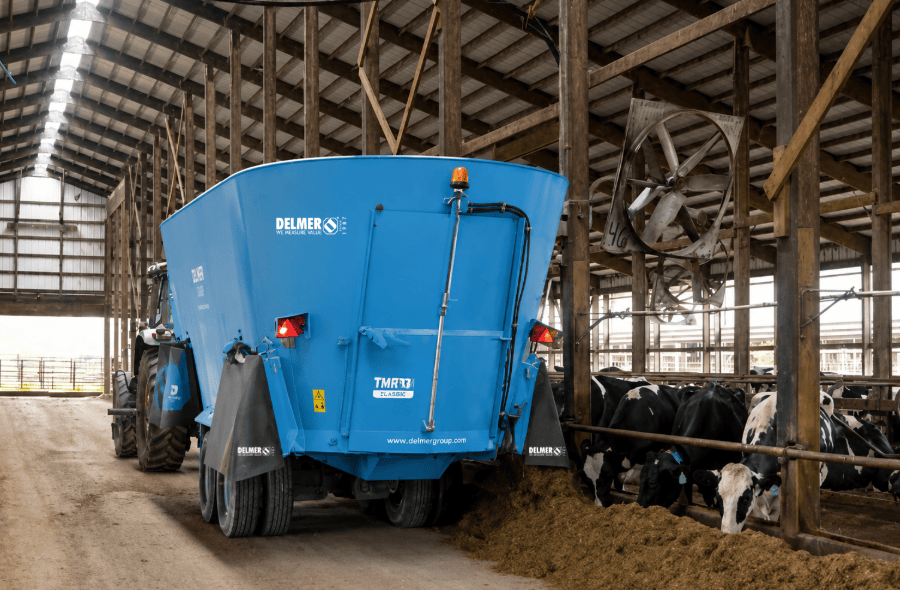
A balanced ration is only effective when it is mixed and delivered consistently. A TMR Wagon Mixer can help dairy farms prepare and distribute a uniform ration while improving feeding efficiency.
A properly formulated TMR can help cows receive a more uniform supply of nutrients throughout the day.
Good TMR management involves:
- Using accurate ingredient quantities.
- Checking forage dry matter.
- Maintaining consistent mixing.
- Preventing excessive sorting.
- Monitoring feed refusals.
- Keeping feed fresh and palatable.
- Regularly reviewing the ration with a qualified nutrition professional.
9. Feed at Consistent Times

Consistency is an often-overlooked part of cattle nutrition.
Sudden changes in feeding schedules or ingredients can affect feed intake and rumen stability.
Good milk production depends on more than nutrition alone—proper udder hygiene is equally important. Before milking, farmers can use Delmer Pre Teat Dip Solution for Cows, Buffaloes, Camels & Goats as part of a consistent teat-care routine.
Try to maintain consistent:
- Feeding times
- Ingredient quality
- Mixing procedures
- Feed delivery
- Feed push-up routines
- Milking and feeding schedules
Timely feed delivery and proper feed access can support dry matter intake and milk production.
10. Manage Heat Stress Through Nutrition
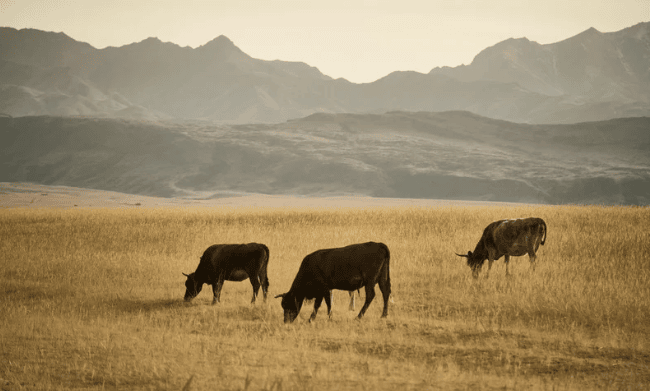
Hot weather can reduce feed intake and negatively affect dairy performance.
When temperatures rise, cows may spend more time standing and drinking and less time eating. Heat stress can therefore create a nutritional challenge because the cow may consume fewer nutrients precisely when her environmental demands are increasing.
During hot conditions:
- Provide abundant clean water.
- Keep feed fresh.
- Protect cows from excessive heat.
- Improve ventilation and air movement.
- Avoid unnecessary feed changes.
- Monitor feed intake and milk production.
Nutrition management should work together with cow comfort and ventilation, not operate as a separate program.
11. Monitor Feed Quality Regularly
Poor-quality feed can reduce both production and profitability.
Better milk production requires more than a balanced ration—it also requires monitoring the health and performance of every animal. A Herd Management System can help dairy farms bring nutrition, health, and productivity management together.
Check forage and feed for:
- Moisture
- Mold
- Unusual odor
- Heating
- Spoilage
- Contamination
- Nutrient variability
Laboratory feed analysis is much more reliable than estimating nutritional value from appearance alone.
When forage quality changes, the ration may need to be reformulated.
12. Monitor the Cow, Not Just the Feed
A ration can be perfect on paper but perform differently on the farm.
Track your herd alongside your feeding program to understand how nutrition, animal health, and environmental conditions can affect milk production. Explore Delmer Herd Management System for modern dairy farm management solutions.
Farmers should regularly observe:
- Milk yield
- Milk fat and protein
- Feed intake
- Body condition
- Manure consistency
- Rumination
- Cow activity
- Feed sorting
- Water consumption
- General health
These observations can help identify nutritional problems before they become major production losses.
Common Cattle Nutrition Mistakes to Avoid
Some common feeding mistakes include:
- Feeding excessive concentrate to increase milk production
- Ignoring forage quality
- Providing insufficient fiber
- Inconsistent feeding times
- Sudden ration changes
- Poor feed storage
- Allowing cows to run out of water
- Ignoring water quality
- Overusing supplements
- Failing to monitor actual dry matter intake
- Feeding the same ration to cows with very different production levels
The solution is not always more feed. Often, better ration balance, feed management, water access, and monitoring can produce better results.
How Can Farmers Improve Milk Production Through Nutrition?
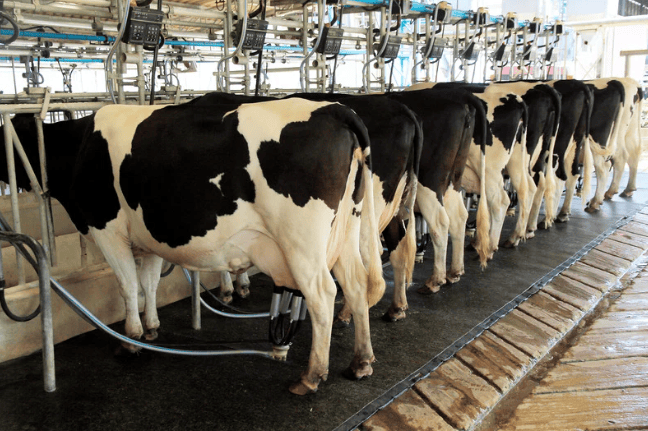
A practical approach is to follow this sequence:
Analyze → Formulate → Feed → Monitor → Adjust
Analyze
Test forage, silage, water, and other major feed ingredients where appropriate.
Formulate
Create a ration based on the actual nutrient requirements of each production group.
Feed
Deliver the ration consistently and maintain good feed hygiene.
Monitor
Track milk yield, milk components, intake, body condition, and herd health.
Adjust
Modify the ration when forage quality, production level, weather, or animal condition changes.
A successful dairy farm needs a holistic approach to cattle nutrition, health, hygiene, and productivity. Explore Delmer’s cattle well-being solutions for products supporting different stages of livestock management.
This approach turns cattle nutrition from a routine feeding activity into a measurable herd-management strategy.
Frequently Asked Questions About Cattle Nutrition
What is the best feed for increasing milk production in cows?
There is no single feed that maximizes milk production for every cow. A balanced ration containing quality forage, appropriate energy and protein sources, fiber, minerals, vitamins, and sufficient water is more important than any individual ingredient.
Does more concentrate always increase milk production?
No. Excessive concentrate can disrupt the balance of the ration and may negatively affect rumen health. Concentrate levels should be determined as part of a properly balanced ration.
How important is water for milk production?
Extremely important. Water supports digestion, nutrient transport, temperature regulation, and milk synthesis. Dairy cows should have continuous access to clean, good-quality drinking water.
What is TMR in dairy farming?
TMR stands for Total Mixed Ration. It is a mixture of forage, concentrates, protein sources, minerals, vitamins, and other feed ingredients formulated to provide a balanced diet.
Why is fiber important for dairy cows?
Effective fiber supports rumination and healthy rumen function. A ration that is too low in effective fiber can increase the risk of digestive problems and poor milk performance.
Should cattle feed change according to milk production?
Yes. Nutritional requirements vary with production level, lactation stage, body condition, age, and physiological status. Grouping cows and formulating rations appropriately can help avoid underfeeding or unnecessary feed costs.
Conclusion
Better milk production begins with balanced cattle nutrition, not simply larger feed quantities.
Quality forage, appropriate energy and protein, adequate effective fiber, essential minerals and vitamins, clean water, consistent feeding practices, and regular monitoring all contribute to productive dairy cows.
For modern dairy farms, nutrition should be managed alongside cow comfort, ventilation, herd health, milking management, and accurate production records. When farmers measure what cows actually consume and compare it with milk performance, they can make better feeding decisions and improve feed efficiency.
The most effective nutrition program is one that is balanced for the cow, practical for the farm, and continuously adjusted according to real herd performance.
for more information visit delmergroup.com