


A reliable milking system depends on more than just a vacuum pump and teat cups. Components such as the milk claw play an important role in collecting milk, maintaining an efficient milk path, and allowing farmers to monitor the milking process. A stainless steel 300cc milk claw is designed to provide a combination of durability, milk-flow visibility, and practical operation for modern dairy farms.

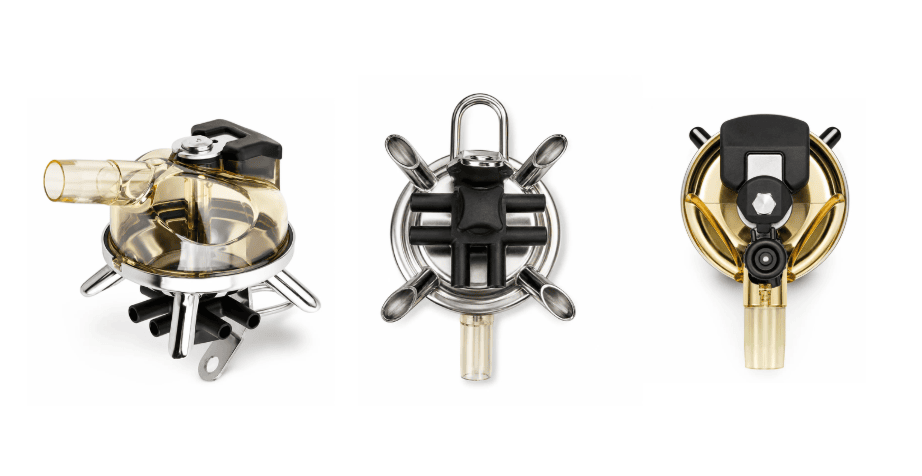
The DELMER 300cc Milk Claw with Stainless Steel Base is designed for cow and buffalo milking applications and features an SS304 stainless steel base with a transparent food-grade body. Farmers looking for complete machine-milking solutions can explore the DELMER Milking Machine range for additional equipment.
What Is a 300cc Milk Claw?
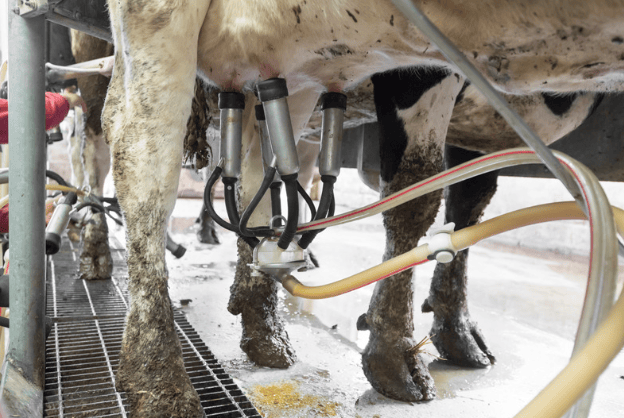
A milk claw, also known as a milking claw or claw piece, is the central component that connects multiple teat cups and collects milk during machine milking. Milk from the individual teat cups enters the claw before moving through the milk outlet toward the collection container or milk line.
The 300cc capacity describes the approximate internal capacity of the claw chamber. It should not be confused with the physical weight of the component. The DELMER 300cc model combines this capacity with a transparent food-grade body and SS304 stainless steel base.
For farms that need replacement or upgrade components, the DELMER Milking Parts collection includes different components used in machine-milking systems.
Why Is Stainless Steel Used in Milk Claws?

Milking equipment is exposed to milk, water, cleaning solutions, moisture, and frequent handling. For this reason, the construction material of a milk claw is an important consideration when selecting dairy equipment.
The DELMER 300cc Milk Claw uses an SS304 stainless steel base, providing a strong and corrosion-resistant construction suitable for regular dairy-farm use. Stainless steel is also commonly selected for dairy equipment because it can be cleaned and maintained as part of a regular milking hygiene routine.
When selecting other machine components, farmers can also consider the DELMER range of milking equipment to build a compatible milking setup.
300cc Milk Claw and Milk Flow
One of the most useful features of a transparent milk claw is the ability to observe milk movement during milking. The operator can visually check the flow through the claw rather than depending only on the sound of the milking machine.
The transparent body of the DELMER 300cc Milk Claw provides visibility of milk movement during operation. This can make routine observation easier and help the operator identify noticeable changes in milk flow during a milking session.
A properly configured milking system also depends on compatible liners, tubes, pulsators, and vacuum equipment. Farmers can explore DELMER milking machine parts when maintaining or upgrading their existing setup.
What Does 300cc Mean in a Milk Claw?
The term 300cc refers to the capacity of the claw, not its weight.
This is an important distinction when comparing milking claws. A 300cc claw does not automatically weigh 300 grams. The actual weight depends on the materials, dimensions, stainless steel components, body construction, and fittings used in the product.
Therefore, when selecting a milk claw, farmers should consider:
- Claw capacity
- Construction material
- Milk outlet size
- Teat-cup connections
- Liner compatibility
- Vacuum-system compatibility
- Overall milking-machine configuration
For specific equipment requirements, farmers can review the DELMER Milking Parts range.
Key Benefits of a Stainless Steel 300cc Milk Claw

1. SS304 Stainless Steel Base
The SS304 stainless steel base provides a strong construction for regular machine-milking use. It is designed to withstand routine handling, cleaning, and exposure to moisture.
For dairy farms where equipment is operated repeatedly throughout the day, durable construction can be an important consideration when selecting replacement parts.
2. Transparent Body for Milk Monitoring
A transparent claw body provides direct visibility of milk movement. This allows the operator to observe the milk path during milking and identify obvious changes in flow.
This is especially useful for farmers who want better visual control over their machine-milking process.
For complete milking solutions, the DELMER Wally Series Milking Machine is another option designed for cow and buffalo milking applications.
3. Suitable for Cow and Buffalo Milking
The DELMER 300cc Milk Claw is suitable for cow and buffalo milking applications, making it useful for farms working with different dairy animals.
A claw should always be selected according to the specifications of the complete milking system rather than capacity alone.
4. Practical for Dairy-Farm Maintenance
Milk-contact components require regular cleaning. A milk claw should be washed and sanitized according to the farm’s established milking-hygiene procedure.
Regular maintenance should also include checking liners, milk tubes, seals, connectors, and other components for wear or damage.
Farmers looking for replacement components can visit the DELMER Milking Machine Parts collection.
5. Suitable for Different Milking Setups
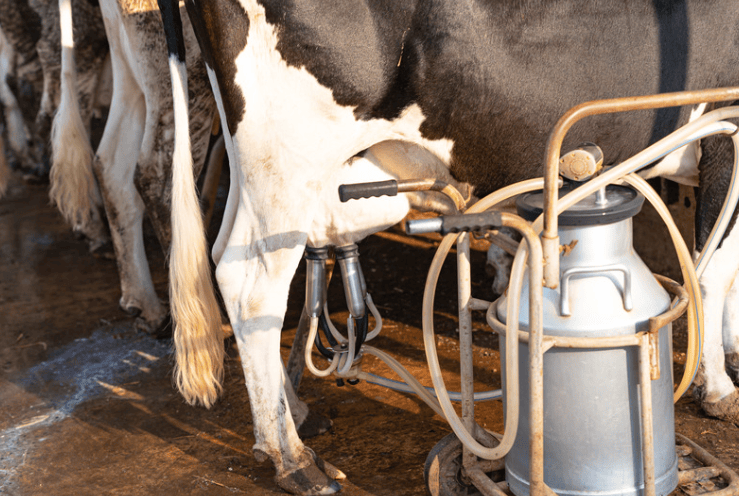
A 300cc milk claw can be used as part of portable or pipeline machine-milking systems when the connections and specifications are compatible.
This makes the component relevant for individual dairy farmers as well as larger commercial dairy operations.
For larger dairy installations, the DELMER dairy automation and milking solutions provide additional equipment options.
Where Can a 300cc Milk Claw Be Used?
A stainless steel 300cc milk claw can be relevant for several dairy applications, including:
- Cow milking machines
- Buffalo milking machines
- Portable milking machines
- Pipeline milking systems
- Commercial dairy farms
- Milking parlours
- Dairy equipment replacement
- Milking-system upgrades
The important factor is compatibility. Before replacing an existing claw, farmers should check the connection configuration, liner arrangement, tubing, and vacuum-system specifications.
300cc Milk Claw for Portable Milking Machines

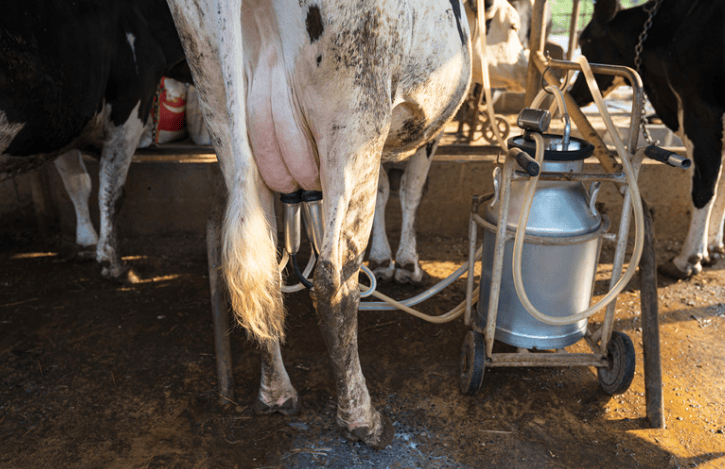
Portable milking machines are widely used by dairy farmers who require mobility between animals or different sections of a farm. In these systems, the claw becomes an important connection point between the teat cups and milk collection system.
A compact and durable claw can help simplify routine operation while the transparent body provides visibility of milk movement.
For farmers searching for a complete portable solution, the DELMER Wally Series Milking Machine is designed for machine milking of cows and buffaloes.
300cc Milk Claw for Buffalo Milking
Buffaloes can have different teat and udder characteristics compared with cows, so the compatibility of teat cups, liners, tubes, and claw assemblies should be considered when selecting equipment.
The DELMER 300cc Milk Claw is designed for both cow and buffalo milking applications, making it a practical component for mixed dairy farms.
When setting up or upgrading a buffalo milking system, farmers should evaluate the complete milking configuration rather than selecting individual components only by capacity.
How to Maintain a Milk Claw
Good maintenance is essential for milk-contact equipment. After milking, the claw should be cleaned thoroughly to remove milk residues and prepared for the next milking session.
Farmers should also periodically inspect:
- Milk claw body
- Stainless steel base
- Liners
- Milk tubes
- Air tubes
- Seals and gaskets
- Teat-cup connections
- Milk outlet
If any component shows signs of wear, cracking, leakage, or damage, it should be replaced as appropriate.
Using compatible replacement components from the DELMER Milking Parts collection can help maintain the overall milking system.
How to Choose the Right Milk Claw
Choosing a milk claw should involve more than simply looking at the capacity. Before purchasing, check whether the claw matches the existing machine and accessories.
Consider the following:
Capacity: A 300cc claw provides a defined chamber capacity suitable for its intended configuration.
Material: Stainless steel components can provide durability and corrosion resistance.
Visibility: A transparent body allows operators to observe milk flow.
Compatibility: Connections must match the existing teat cups, tubes, and milk lines.
Application: Confirm whether the claw is intended for cow, buffalo, or other specific dairy applications.
Cleaning: Select equipment that can be incorporated into the farm’s regular cleaning and hygiene routine.
For a wider selection of dairy equipment, visit DELMER Group.
Frequently Asked Questions
What is a 300cc milk claw used for?
A 300cc milk claw is used as the central milk-collection component in a machine milking system. It receives milk from multiple teat cups and directs it toward the milk collection line or container.
Does 300cc mean the milk claw weighs 300 grams?
No. 300cc refers to the approximate capacity of the claw chamber, not its weight. Product weight depends on its construction materials, dimensions, and components.
What is the advantage of an SS304 milk claw?
An SS304 stainless steel base provides durable construction and corrosion resistance, making it suitable for regular dairy equipment use and cleaning.
Can a 300cc milk claw be used for buffaloes?
Yes. The DELMER 300cc Milk Claw is designed for both cow and buffalo milking applications.
Why is a milk claw transparent?
A transparent milk claw allows the operator to visually monitor milk movement during machine milking.
Is a 300cc milk claw suitable for portable milking machines?
It can be used with compatible portable milking systems. However, farmers should verify the connections, liners, tubes, and other specifications before installation.
How often should a milk claw be cleaned?
The milk claw should be cleaned after each milking session as part of the farm’s regular milking-hygiene procedure.
Final Thoughts
A milk claw may be a relatively small component of a milking machine, but it has an important role in milk collection and system operation. A 300cc stainless steel milk claw combines useful capacity with durable construction and milk-flow visibility, making it a practical option for compatible cow and buffalo milking systems.
For farmers considering a replacement or upgrading their existing milking setup, the key factors are capacity, material, milk-flow visibility, connection compatibility, hygiene, and the requirements of the complete milking system.