


Milk is much more than a staple food consumed every day.
It is one of the most important economic products in global agriculture—and according to an analysis of 2024 FAOSTAT data, milk from all dairy animals is the world’s most valuable agricultural product by farm-level production value.

The estimated value of global milk production reached approximately US$473 billion in 2024.
That figure puts milk ahead of some of the world’s biggest agricultural commodities, including rice, pork, beef, corn, chicken, wheat, eggs and soybeans.
But the story becomes even more interesting when we look beyond milk itself.
To optimize your dairy farm’s daily operations, explore our complete range of highly efficient milking parlours.
Dairy animals also contribute significantly to global beef production. When beef originating from dairy animals is considered alongside milk, the economic value associated with dairy animals can exceed US$560 billion per year.
For dairy farmers, this is more than an interesting statistic.
It demonstrates the enormous economic importance of the dairy industry—and explains why modern dairy farm technology, animal comfort, efficient milking and smart herd management are becoming increasingly important.
Milk at the Centre of the Global Agricultural Economy

The global food system depends on thousands of agricultural products, but only a small number account for a very large share of total agricultural value.
Milk stands at the top.
When milk from cattle, buffaloes, goats, sheep and other dairy animals is considered as one agricultural product, its 2024 farm-level production value is estimated at around US$473 billion.
This makes dairy one of the strongest pillars of the global agricultural economy.
The scale is also visible in production volume.
This is why farmers across India are upgrading to Delmer Milking Machines.
According to FAO’s 2024 agricultural production statistics, global milk production reached approximately 985 million tonnes, with cattle milk accounting for around 81% of total production.
This means that dairy is not simply a large food category.
It is a massive global production ecosystem involving:
- Dairy farmers
- Livestock breeders
- Feed suppliers
- Veterinary professionals
- Dairy equipment manufacturers
- Milk processors
- Cooperatives
- Logistics companies
- Retailers
- Consumers
Every litre of milk represents activity across this wider value chain.
Top Agricultural Products by Production Value


The leading agricultural commodities demonstrate just how important both crops and livestock remain to the global economy.
The 2024 ranking highlighted in the analysis includes:
- Milk
- Rice
- Pork
- Beef
- Corn
- Chicken
- Wheat
- Eggs
- Soybeans
Together, these commodities represent a significant portion of global agricultural production value.
What is particularly notable is the strong presence of livestock products.
The Delmer 2 Bucket Milking Machine is ideal for farmers moving from manual milking to hygienic machine milking. It allows two cows to be milked simultaneously while maintaining proper vacuum stability.
Milk, pork, beef, chicken and eggs all appear among the leading agricultural products.
That tells us something important:
Livestock agriculture continues to play a fundamental role in feeding the world’s population and supporting rural economies.
Why Milk Continues to Lead
Milk has several characteristics that make the dairy industry economically significant.


1. Consistent consumer demand
Milk and dairy products are consumed across a wide range of markets and cultures.
Fresh milk, yogurt, cheese, butter, ghee, milk powder and other dairy products create multiple channels for dairy production.
2. Continuous production
Unlike seasonal crops, dairy animals can produce milk throughout much of the year when properly managed.
This provides dairy farmers with the potential for recurring farm income.
3. Multiple revenue streams
Dairy farming can generate value from:
- Milk
- Calves
- Breeding animals
- Dairy-origin beef
- Manure and organic fertilizer
The result is an agricultural system with multiple economic outputs.
The 4 Bucket Milking System reduces milking time and improves milk collection hygiene for expanding dairy farms.
4. Scope for productivity improvement
Technology can significantly influence dairy farm efficiency.
Better nutrition, genetics, housing, milking systems, cooling, herd management and animal comfort can all contribute to improved farm performance.
Dairy Is Bigger Than Milk Alone

One of the most important insights from the analysis is that the economic contribution of dairy animals does not end when milk leaves the farm.
A substantial share of global beef production originates from animals associated with the dairy sector.
The analysis estimates that approximately 30% of global beef production by value comes from dairy animals.
For structured dairy farms with tied stalls, pipeline milking systems are a major upgrade over manual bucket transport.
If this beef is considered a co-product of dairy production, the economic value generated by dairy animals increases from approximately:
US$473 billion in milk value
to
More than US$560 billion in combined dairy-animal value.
This gives us a broader understanding of dairy farming.
A modern dairy farm is not simply a milk-production business.
It is a livestock production enterprise where animal health, genetics, nutrition, reproduction and management influence several sources of value.
Global Milk Production Continues to Grow

Milk production has shown strong long-term growth.
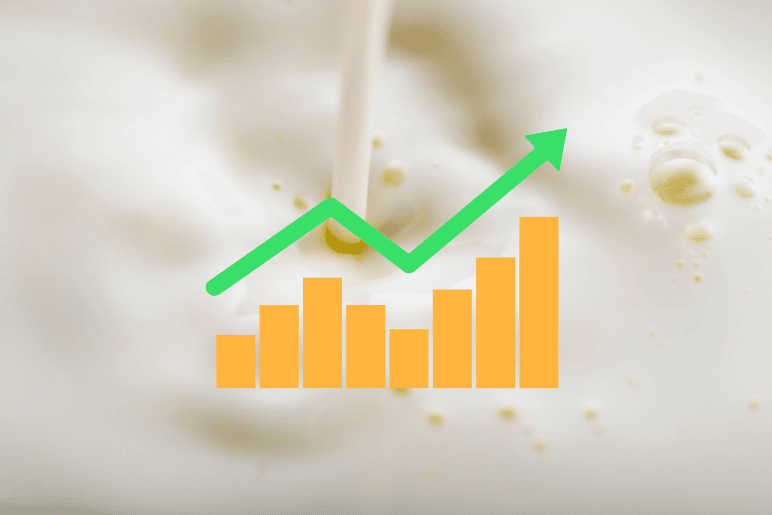
The analysis indicates that the value of milk production increased at approximately 5% CAGR between 2000 and 2024.
Farmers choose Delmer Dairy Equipment because it combines global milking technology with local farm practicality.
Since 2020, the growth rate has accelerated to approximately 6.3% annually.
This growth comes from a combination of:
- Higher milk production
- Increasing productivity
- Growing dairy demand
- Higher nominal milk prices
- Expanding dairy markets
- Improvements in farm management
It is important to understand that production value growth is not the same as physical production growth.
Production value is influenced by both the quantity produced and the price received by farmers.
Nevertheless, the long-term trend highlights the continuing economic importance of dairy.
What Does This Mean for Indian Dairy Farmers?


The global numbers are particularly relevant for India.
India has one of the world’s largest dairy sectors, and dairy farming plays an important role in rural livelihoods, agricultural income and food security.
Contact Delmer Group for customized dairy milking system solutions for your farm.
For Indian farmers, the opportunity is no longer simply about keeping more animals.
The bigger opportunity is:
How can farmers produce more milk efficiently from every animal while improving animal health and reducing unnecessary operating costs?
This is where dairy technology becomes increasingly important.
Delmer India focuses on modern dairy technology, cattle care and solutions designed to help farmers improve dairy-farm operations.
The Next Stage of Dairy Farming Is Technology-Driven

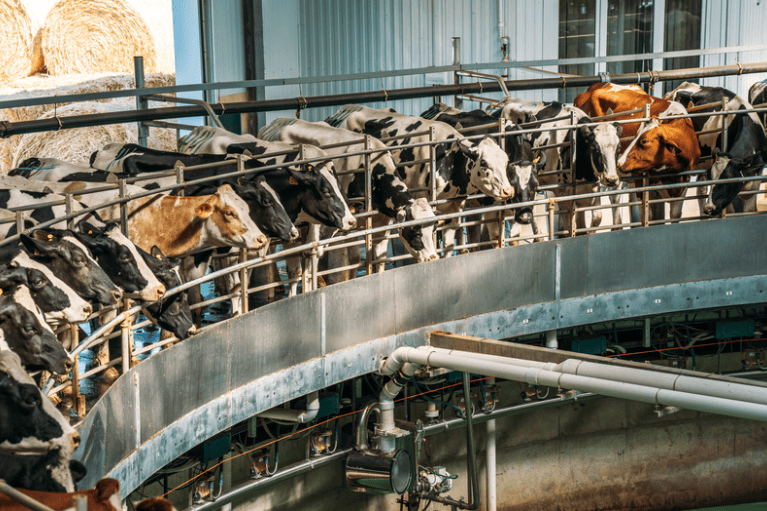
Traditional dairy farming depends heavily on manual labour and experience.
Modern dairy farming increasingly combines farmer expertise with technology.
This includes:
Modern Milking Machines
Milking machines can help reduce manual labour while supporting more consistent milking practices and improved hygiene.
For smaller and mid-sized farms, appropriately designed milking equipment can be an important step toward modernization. Delmer has highlighted the role of milking-machine technology in improving efficiency and addressing labour and hygiene challenges on Indian dairy farms.
Discover the best milking machine for cattle from Delmer Group designed for efficiency, hygiene, and higher dairy productivity.
Milking Parlours
As herd size increases, organized milking parlours can improve workflow, animal movement, hygiene and labour efficiency.
Herd Management Systems
Digital herd-management technologies can help farmers collect and use information about individual animals, production, reproduction and health.
Automated Feeding
Feeding represents one of the largest operating areas on a dairy farm.
Modern feed-management systems can help improve ration consistency, reduce wastage and simplify daily feeding operations.
Cow Comfort
Milk production depends on animal health and well-being.
Comfortable housing, adequate ventilation, cooling, appropriate flooring, grooming facilities and clean drinking water can help create better conditions for dairy animals.
Delmer’s dairy content emphasizes cow comfort as an important part of modern dairy-farm productivity and animal welfare.
Manure Management
Efficient manure handling is another important part of modern farm management.
Proper manure collection, separation and handling can help maintain cleaner housing environments while improving resource utilization.
Cow Comfort Is Becoming an Economic Priority

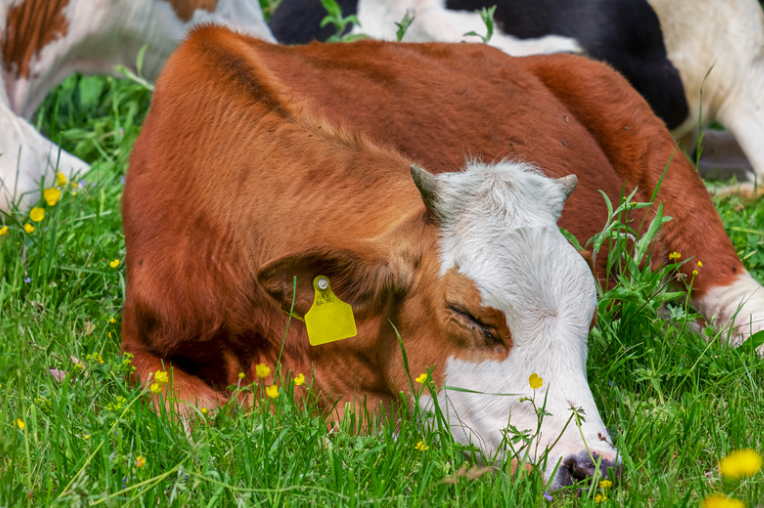
There is a growing understanding within the dairy industry that animal welfare and farm profitability are closely connected.
Revolutionize your milk production with smart dairy farm automation – boosting efficiency, hygiene, and profits effortlessly.
A cow experiencing heat stress, poor housing, inadequate water access or uncomfortable flooring may not perform at its full productive potential.
That is why modern dairy farms increasingly consider:
- Ventilation
- Cooling systems
- Water availability
- Comfortable flooring
- Cow brushes
- Proper resting areas
- Clean housing
- Adequate space
- Good nutrition
as part of their productivity strategy.
Delmer’s recent dairy-farming content specifically connects cow comfort with milk yield, reproductive performance, animal longevity and farm profitability.
Labour Efficiency Will Matter More
Labour availability is becoming an important consideration for dairy farms around the world.
Manual milking, feeding, cleaning and monitoring require considerable time and consistency.
Optimize performance and health with a smart herd management system – your digital partner for efficient dairy farming.
As farms become larger, depending entirely on manual labour can become increasingly difficult.
Automation can help farmers shift from repetitive manual tasks toward technology-assisted farm management.
Dairy automation can include:
- Automated milking
- Feed management
- Manure scraping
- Animal monitoring
- Digital herd management
- Environmental monitoring
Delmer’s research and educational content identifies automation as an important transformation in modern dairy operations.
The Future of Dairy Farming Is More Data-Driven
The next generation of dairy farms will not depend only on traditional experience.
Farmers will increasingly use data to answer questions such as:
Which cows are producing the most milk?
Which animals require attention?
Is feed being converted efficiently?
Are cows experiencing heat stress?
Which animals are due for breeding?
How much labour is required for each operation?
Where are production losses occurring?
This shift from intuition-only farming to data-supported decision-making can help farmers identify problems earlier and manage resources more effectively.
The massaging action of automatic cow brushes stimulates blood flow in muscles and skin.
AI, IoT sensors and connected herd-management technologies are already becoming part of the modern livestock-management conversation. Delmer India has also covered how AI and IoT are transforming livestock farming.
Why Dairy Farm Efficiency Matters More Than Ever
If milk represents hundreds of billions of dollars in annual agricultural value, even small improvements in productivity can have significant economic consequences at scale.
If you’re looking to scale your dairy operation while reducing costs and risks, CowComfort AI is the future-ready solution your farm needs.
For an individual dairy farm, improving efficiency may involve:
- Producing more milk per animal
- Reducing milk losses
- Improving feed utilization
- Reducing disease-related costs
- Improving reproductive performance
- Reducing labour dependency
- Improving milking hygiene
- Managing heat stress
- Improving animal comfort
- Managing manure efficiently
The objective is not simply more production.
The objective is:
More value from every animal, every litre of milk and every hour of farm labour.
What Dairy Farmers Should Focus on in the Coming Years
The global dairy industry is growing, but successful farms will need to become increasingly efficient.
Delmer offers modern milking parlours designed for smooth operations, excellent hygiene, higher milk yield, and unmatched animal comfort — helping dairy farms run efficiently and profitably.
A practical modern dairy strategy should focus on five areas:
1. Animal Health
Healthy animals are the foundation of productive dairy farming.
2. Nutrition
Balanced nutrition is essential for milk production, reproduction and long-term animal performance.
3. Cow Comfort
Comfortable animals are better positioned to maintain productive performance.
4. Milking Efficiency
Efficient, hygienic and consistent milking should be a priority for every dairy operation.
5. Data and Automation
Technology can help farmers monitor performance, reduce repetitive work and make better decisions.
Considering a new barn or facility upgrade? Explore complete design and implementation solutions with Turnkey Dairy Projects.
From Traditional Dairy Farming to Smart Dairy Farming
The global value of milk provides a strong reason to look at dairy farming differently.
The industry is moving from:
Manual → Mechanized
Experience-based → Data-supported
Reactive → Preventive
Labour-intensive → Automation-assisted
Basic housing → Cow-comfort-focused housing
Traditional milking → Efficient milking systems
This transformation does not mean technology will replace farmers.
Instead, technology can help farmers work smarter and manage their farms more efficiently.
A productive dairy farm depends on the health and comfort of its animals. Automatic fans, ventilation, and sprinkler systems help maintain optimal barn conditions by adjusting to temperature and humidity levels, ensuring consistent cooling and better cow comfort.
The Bigger Opportunity for India’s Dairy Industry
India’s dairy sector has enormous potential.
But future growth will depend not only on increasing the number of animals.
Feeding a Total Mixed Ration is a modern, proven way to support the health, milk production, and efficiency of your dairy operation. While the system requires planning, investment, and management, the long-term gains in productivity and cow health can be significant.
It will increasingly depend on improving:
Milk yield + animal health + farm efficiency + technology + farmer profitability
Modern dairy equipment can support this transition by making everyday farm operations more consistent and efficient.
For small farms, this may begin with a better milking machine.
For growing farms, it could mean a complete milking parlour.
For larger operations, the next step may include herd-management software, automated feeding, environmental monitoring and integrated farm systems.
This creates a pathway from traditional dairy farming to precision dairy farming.
Frequently Asked Questions
Is milk the world’s most valuable agricultural product?
Based on the 2024 analysis of FAOSTAT agricultural production data, milk from all dairy animals is estimated to be the world’s most valuable agricultural product by farm-level production value, at approximately US$473 billion.
How much milk was produced globally in 2024?
FAO reported approximately 985 million tonnes of global milk production in 2024, with cattle milk contributing approximately 81% of total production.
Why is dairy so important to agriculture?
Dairy provides a recurring agricultural product with significant global demand while also supporting employment, livestock farming, processing, transportation and rural economies.
Is dairy bigger than just milk?
Yes. Dairy animals can contribute to both milk and meat production. When beef originating from dairy animals is included, the economic contribution associated with dairy animals can exceed US$560 billion annually according to the analysis discussed here.
How can technology improve dairy farming?
Dairy technology can help improve milking efficiency, labour utilization, herd monitoring, feeding, animal comfort, hygiene, farm management and operational consistency.
What is smart dairy farming?
Smart dairy farming combines livestock-management knowledge with digital technologies, automation, sensors and data to help farmers monitor animals and make better management decisions.
Why is cow comfort important for milk production?
Cow comfort influences animal well-being and can affect productive performance, reproduction and longevity. Modern farms increasingly consider ventilation, cooling, water, flooring, resting areas and grooming as part of overall farm management.
What dairy technology should a farmer invest in first?
The right investment depends on herd size, labour availability, farm layout and production goals. For many small and medium farms, improving milking efficiency and hygiene can be a practical starting point, while larger farms may benefit from integrated milking, feeding, herd-management and automation systems.
To promote animal health further and comfort, Delmer’s Cow Comfort Brush offers gentle massaging action, improves blood circulation, and reduces stress — resulting in happier, healthier, and more productive cows.
Conclusion
The global dairy industry is much larger than many people realize.
With an estimated US$473 billion in 2024 farm-level production value, milk stands at the centre of the global agricultural economy.
When the value of beef originating from dairy animals is also considered, the economic contribution associated with dairy animals becomes even more significant.
For farmers, the message is clear:
The future of dairy farming is not simply about producing more milk. It is about producing milk more efficiently, sustainably and profitably.
That means investing in better nutrition, healthier animals, comfortable housing, efficient milking, smart herd management and appropriate farm automation.
As the global value of dairy continues to grow, technology will play an increasingly important role in helping farmers turn every litre of milk into greater productivity and value.
For Indian dairy farmers, this transformation has already begun—and the next generation of dairy farms will be defined by the combination of farmer expertise, animal welfare and smart dairy technology.
for more information visit delmerindia.com