


The monsoon season is essential for agriculture, but it brings several challenges for dairy farmers. While cooler temperatures may seem beneficial, prolonged rainfall, high humidity, muddy surroundings, poor-quality feed, and increased disease pressure can significantly reduce milk production if not managed properly.
Discover the best milking machine for cattle from Delmer Group designed for efficiency, hygiene, and higher dairy productivity.
Even healthy dairy cows can experience stress during rainy weather, leading to lower feed intake, reduced milk yield, fertility problems, and increased veterinary expenses.
In this guide, we’ll explain how rainy weather affects milk production and share proven strategies to minimize losses while keeping your dairy farm productive throughout the monsoon.
Why Does Milk Production Drop During Rainy Weather?

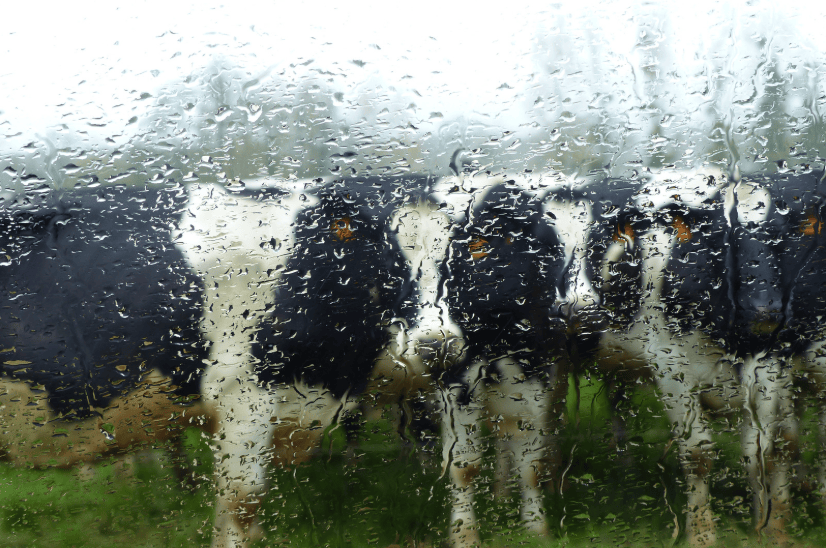
Milk production depends on a cow’s overall health, nutrition, comfort, and stress levels. During the rainy season, multiple factors negatively affect these areas simultaneously.
The most common causes include:
- High humidity
- Wet and muddy flooring
- Lower feed quality
- Reduced dry matter intake
- Increased disease outbreaks
- Poor ventilation
- Heat stress despite rainfall
- Contaminated drinking water
When these factors combine, cows divert energy toward maintaining body health instead of producing milk.
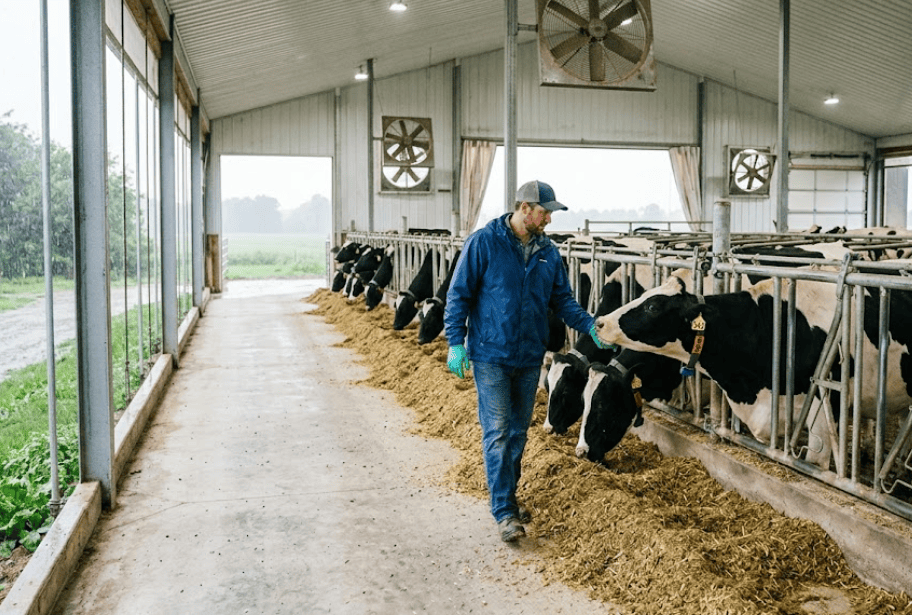
Fans, ventilation, and sprinkler systems with automatic controls help regulate barn temperature by activating based on heat or humidity levels, ensuring consistent cooling and better cow comfort.
1. Reduced Feed Intake
One of the biggest reasons for lower milk production is reduced feed consumption.
Rainy weather often causes:
- Wet silage
- Moldy hay
- Spoiled Total Mixed Ration (TMR)
- Less grazing opportunity
- Lower feed palatability
As feed intake decreases, cows receive less energy, protein, and minerals required for milk production.
Effects
- Reduced milk yield
- Weight loss
- Poor body condition
- Lower fat and protein percentage in milk
2. High Humidity Creates Hidden Heat Stress
Many farmers believe rain eliminates heat stress.
In reality, humidity often remains above 80–90%, making it difficult for cows to cool themselves.
Cows naturally lose heat through:
- Sweating
- Respiration
- Air movement
When humidity is extremely high, this cooling process becomes ineffective.
Signs of Humidity Stress
- Panting
- Faster breathing
- Standing for long periods
- Less feeding
- Reduced rumination
- Lower milk production
Proper airflow becomes even more important during the rainy season.
The massaging action of automatic cow brushes stimulates blood flow in muscles and skin.
3. Wet Floors Increase Stress
Constant exposure to muddy or slippery flooring causes discomfort.
Cows spend less time:
- Lying down
- Resting
- Ruminating
Instead, they remain standing for longer periods, increasing stress and reducing milk synthesis.
Wet floors also increase the risk of:
- Hoof diseases
- Foot rot
- Lameness
- Joint injuries
Lame cows typically eat less and produce significantly less milk.
4. Poor Water Quality
Heavy rainfall often contaminates water sources with:
- Mud
- Bacteria
- Parasites
- Organic waste
Dirty water reduces water intake, which directly affects milk production.
Remember:
Milk contains approximately 87% water, so hydration is critical.
A manure scraper efficiently collects and removes manure from dairy farm alleyways, keeping cow housing clean and reducing ammonia emissions.
5. Increased Disease Pressure
Rain creates ideal conditions for bacteria, viruses, and parasites.
Pre Teat Dip Solution ensures effective udder hygiene by disinfecting teats before milking, helping prevent mastitis and improving milk quality.
Common monsoon diseases include:
- Mastitis
- Foot Rot
- Lumpy Skin Disease (LSD)
- Diarrhea
- Pneumonia
- Tick-borne diseases
Even mild illness can reduce milk production for several weeks.
6. Lower Feed Quality
Humidity encourages fungal growth in stored feed.
Common problems include:
- Mold
- Yeast growth
- Mycotoxins
- Nutrient losses
Mycotoxins reduce:
- Appetite
- Immunity
- Fertility
- Milk production
Always inspect feed before feeding your herd.
Enhance herd health, reduce stress, and improve milk production with DELMER’s premium Cow Comfort Solutions, designed to create a healthier and more productive dairy farm environment.
7. Increased Energy Requirement
Cold rain combined with wet skin forces cows to use more energy to maintain body temperature.
Instead of converting nutrients into milk, cows use them to:
- Stay warm
- Fight infections
- Recover from stress
This reduces overall milk output.
How Rainy Weather Impacts Milk Quality

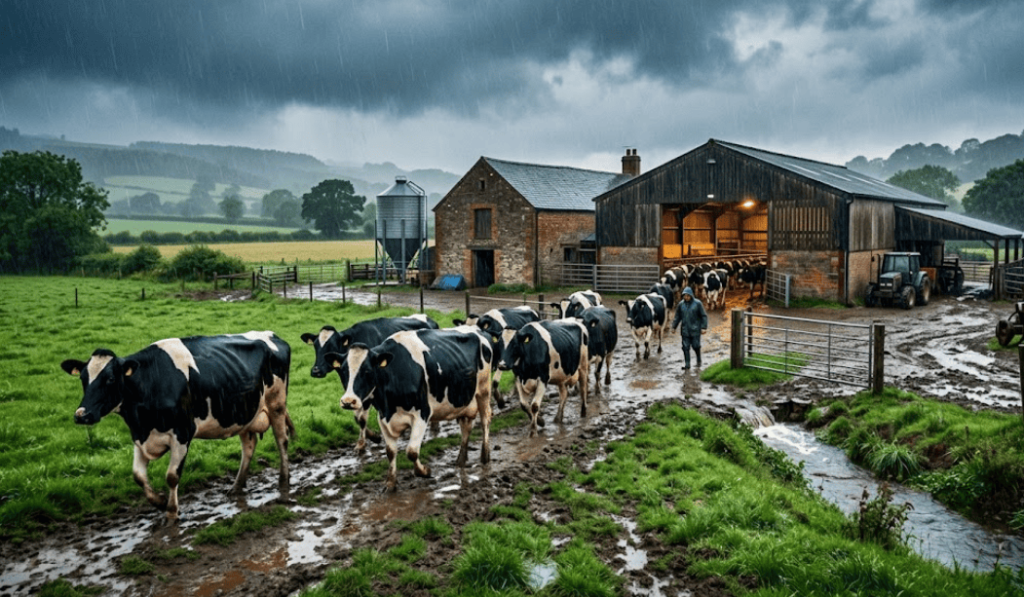
Monsoon conditions affect not only milk quantity but also milk quality.
Possible impacts include:
- Lower butterfat percentage
- Reduced protein content
- Higher Somatic Cell Count (SCC)
- Increased bacterial contamination
- Shorter shelf life
- Higher chances of rejected milk
Maintaining hygiene is essential during wet weather.
Enhance herd health, reduce stress, and improve milk production with DELMER’s premium Cow Comfort Solutions, designed to create a healthier and more productive dairy farm environment.
Ways to Prevent Milk Production Losses During Rainy Season

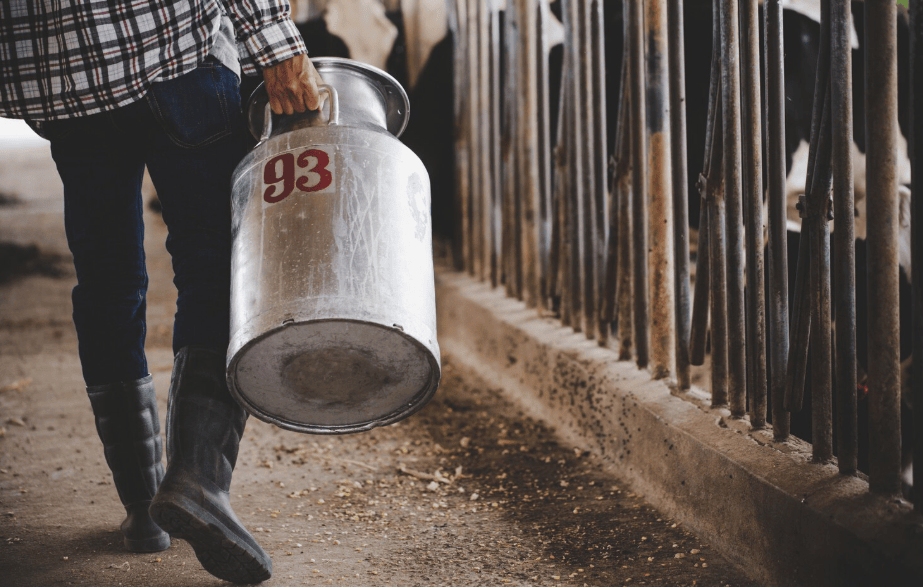
1. Improve Cow Housing
A dry, comfortable shed is the first line of defense.
Good housing should include:
- Proper roof drainage
- Leak-free roofing
- Raised flooring
- Non-slip surfaces
- Dry bedding
- Adequate resting space
Clean and dry housing reduces stress and disease risk.
2. Improve Ventilation
Rainy weather does not eliminate the need for ventilation.
Install:
- High-volume fans
- Ridge ventilation
- Sidewall openings
- Natural airflow systems
Good ventilation reduces humidity and improves cow comfort.
3. Keep Feed Dry
Protect feed by:
- Using waterproof storage
- Covering silage properly
- Rotating feed regularly
- Avoiding mold-contaminated fodder
- Cleaning feed bunks daily
Fresh feed encourages better intake.
Protect your cattle from flies, ticks, mites, and lice with DELMER Fly Repellent, a fast-acting solution that helps reduce stress, improve comfort, and support healthier, more productive livestock.
4. Ensure Clean Drinking Water
Provide:
- Fresh water throughout the day
- Clean water troughs
- Proper drainage around water points
- Regular disinfection
A lactating cow may drink 70–120 liters of water per day, depending on milk production and environmental conditions.
Ensure your herd has continuous access to clean, fresh water with the DELMER SS304 Cattle Drinking Water Trough, built for superior hygiene, durability, and improved dairy farm productivity.
5. Maintain Proper Nutrition
During monsoon, nutrition becomes even more important.
Consider:
- High-quality forage
- Balanced concentrate feed
- Mineral mixture
- Vitamin supplements
- Buffer additives
- Mycotoxin binders (when recommended by a nutritionist)
Balanced nutrition supports immunity and milk production.
Improve feeding accuracy, reduce feed waste, and save labor with DELMER’s advanced Automatic Feed Management Systems, designed to deliver precise nutrition for healthier, more productive dairy herds.
6. Practice Strict Hygiene
Reduce bacterial growth by:
- Cleaning sheds daily
- Removing manure regularly
- Keeping udders clean
- Sanitizing milking equipment
- Disinfecting footbaths
- Using clean bedding
Good hygiene significantly reduces mastitis cases.
7. Monitor Cow Health Daily
Observe cows for:
- Appetite changes
- Reduced rumination
- Limping
- Swollen udders
- Abnormal milk
- Fever
- Coughing
Early treatment prevents long-term milk losses.
8. Protect Hoof Health
Trim hooves regularly and maintain:
- Dry walking areas
- Footbaths
- Clean alleys
- Proper drainage
Healthy feet help cows eat more, rest comfortably, and produce more milk.
For safe and efficient hoof care, explore our dairy cow hoof trimmer collection, designed to improve cattle handling, reduce lameness, and simplify routine hoof maintenance.
9. Reduce Stress
Maintain consistent routines for:
- Feeding
- Milking
- Cleaning
- Exercise
Avoid overcrowding, loud noises, and sudden management changes.
Low-stress cows produce more milk.
10. Use Modern Dairy Farm Equipment
Modern dairy equipment helps maintain productivity during rainy weather.
Useful solutions include:
- Automatic ventilation fans
- Cow comfort brushes
- Rubber flooring
- Hygienic milking systems
- Automatic water troughs
- Herd monitoring systems
These technologies improve cow comfort, reduce labor, and support consistent milk production.
Advanced heat and health management solutions designed to enhance animal comfort, improve productivity, and ensure overall farm efficiency.
Warning Signs That Your Herd Is Losing Milk Due to Rainy Weather

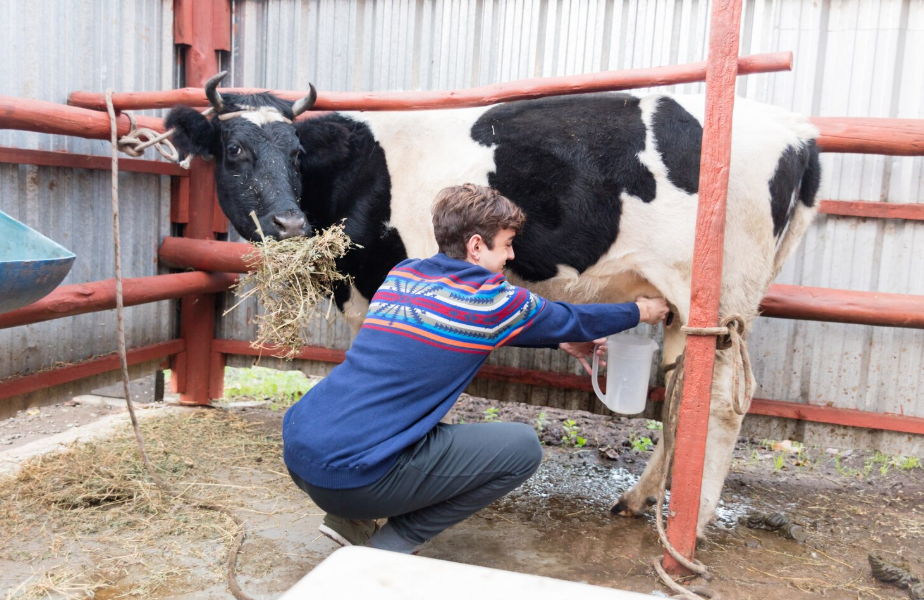
Watch for these early indicators:
- Sudden drop in milk yield
- Lower feed intake
- More standing than lying
- Increased mastitis cases
- Dirty udders
- Lameness
- Weight loss
- Poor fertility
- Increased veterinary treatments
Early intervention can prevent significant production losses.
Benefits of Good Monsoon Management
Effective rainy-season management helps farmers:
- Maintain consistent milk production
- Improve milk quality
- Reduce disease outbreaks
- Lower veterinary costs
- Increase cow comfort
- Improve reproductive performance
- Enhance farm profitability
- Extend productive life of dairy cows
State-of-the-art milking parlours designed for seamless operation, superior hygiene, enhanced milk yield, and unmatched animal comfort — delivering efficiency and reliability for modern dairy farms.
Common Mistakes Farmers Should Avoid

Many milk production losses occur due to avoidable mistakes such as:
- Allowing water to accumulate inside sheds
- Feeding moldy or spoiled fodder
- Ignoring humidity levels
- Delaying mastitis treatment
- Using dirty drinking water
- Overcrowding cattle
- Skipping hoof care
- Neglecting ventilation during rainy weather
Avoiding these mistakes can significantly improve herd performance throughout the monsoon.
Conclusion
Rainy weather presents unique challenges for dairy farming, but with proper planning and management, its impact on milk production can be minimized. Clean housing, dry bedding, balanced nutrition, effective ventilation, safe drinking water, and timely health monitoring all contribute to maintaining milk yield during the monsoon season.
By focusing on cow comfort and preventive management, dairy farmers can protect their herd’s health, sustain milk quality, and reduce financial losses even during prolonged periods of rain.
for more information visit delmerindia.com
Frequently Asked Questions (FAQs)
Does rainy weather reduce milk production in dairy cows?
Yes. High humidity, wet housing, poor-quality feed, disease outbreaks, and reduced feed intake during the rainy season can all contribute to lower milk production.
Why do cows eat less during the monsoon?
Wet or spoiled feed, muddy conditions, heat stress caused by high humidity, and illness can reduce appetite and dry matter intake.
Can humidity affect milk production even if temperatures are lower?
Yes. High humidity makes it harder for cows to cool themselves, causing heat stress that reduces feed intake and milk yield despite cooler temperatures.
How can farmers prevent milk losses during the rainy season?
Maintain dry housing, improve ventilation, provide clean water, feed high-quality dry fodder, practice good hygiene, and monitor cow health regularly.
What diseases are more common during rainy weather?
Mastitis, foot rot, diarrhea, pneumonia, tick-borne diseases, and other bacterial or fungal infections are more prevalent during the monsoon.