


Introduction
Running a profitable dairy farm requires much more than producing more milk. Farmers must continuously manage feed costs, animal health, reproduction, labor, milk quality, cow comfort and environmental conditions.
This is where dairy farm data can make a significant difference.
For better herd health management, explore Delmer Heat & Health Monitoring Solutions to identify heat cycles and potential health issues earlier.
Modern dairy technology allows farmers to collect information about individual cows and the overall herd. When this information is organized and converted into practical insights, it can help farmers identify problems earlier, improve daily management and make better use of available resources.
The objective is not to collect endless amounts of information. The objective is to understand which information can improve a farm’s decisions and financial performance.
What Does Data-Driven Dairy Farming Mean?

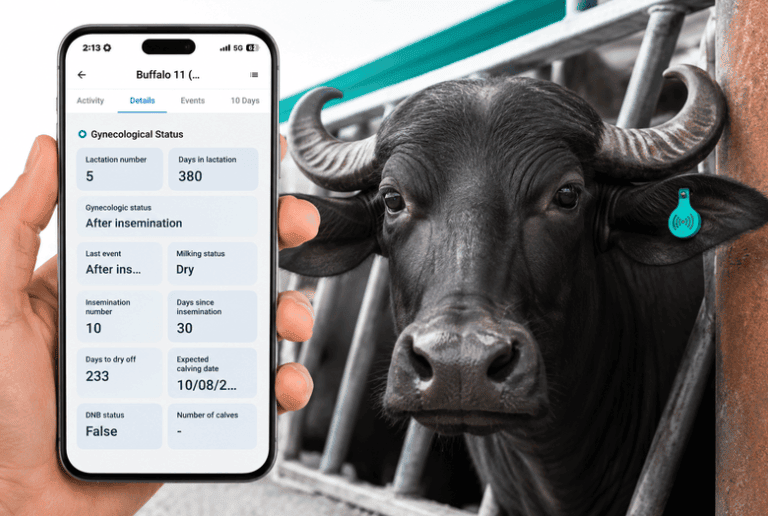
Data-driven dairy farming means using measurable information to guide everyday farm management.
Discover how Delmer CowComfort AI uses smart technology to monitor cow comfort, behavior, and environmental conditions for more proactive dairy farm management.
Instead of relying entirely on manual observation, farmers can combine information from:
- Cow monitoring systems
- Milk meters
- Animal identification
- Herd management software
- Feeding records
- Health records
- Reproductive records
- Temperature and humidity sensors
- Milking equipment
- Farm automation systems
This creates a more complete picture of what is happening across the herd.
For example, a decrease in milk production becomes more useful when it can be connected with changes in a cow’s activity, rumination, feeding behavior, or health history.
Why Is Dairy Farm Data Important?
Dairy farms generate information every day, but much of this information can remain unused if it is not organized properly.
Explore Delmer Automatic Feed Management Systems to improve feeding efficiency, reduce feed waste, and support consistent nutrition across the herd.
Useful dairy data can help farmers answer important questions:
Which cows need attention?
Is milk production changing?
Are reproductive targets being achieved?
Is feed being converted efficiently into milk?
Are environmental conditions creating heat-stress risks?
Where can labor and operating costs be reduced?
Answering these questions can help farm managers move from reactive management toward proactive decision-making.
1. Monitor Individual Cow Performance
Every cow has different production levels, health conditions and behavioral patterns.
Looking only at the herd average can hide important changes in individual animals.
A cow monitoring system can help track activity and behavioral patterns and highlight unusual changes that may require investigation.
Delmer’s Cow Monitoring Systems can help dairy farms monitor animal activity, behavior and other important indicators.
For larger herds, this type of technology can also help farm teams prioritize their daily workload.
2. Use Milk Production Data More Effectively

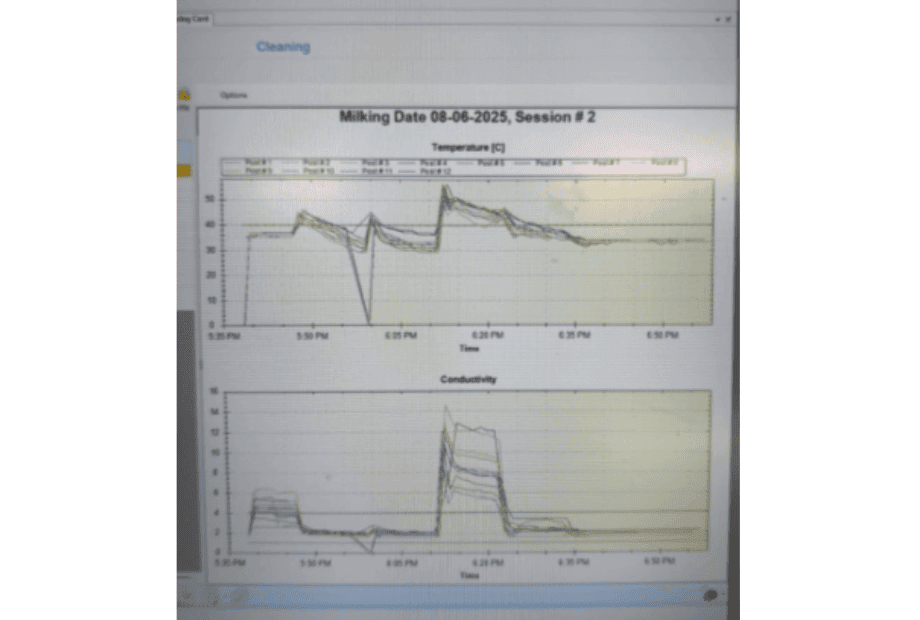
Milk production is one of the most visible indicators of dairy farm performance.
However, total daily milk production alone does not always explain why performance has changed.
Individual milk production data can help farmers identify:
- Sudden production decreases
- Differences between animals
- Changes during lactation
- Milking performance
- Abnormal milk-flow patterns
- Potential animals requiring further investigation
A Delmer Automatic Milk Meter can measure milk yield and provide information such as milk flow and milking duration.
When milk information is connected with cow identification and herd records, it becomes a more powerful management tool.
3. Improve Feed Management and Efficiency

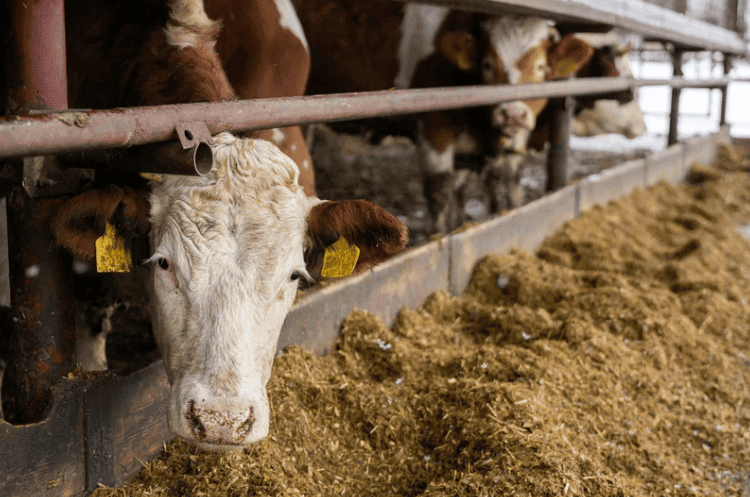
Feed represents a significant portion of dairy farm expenditure.
For this reason, farmers need to understand not only what cows are consuming but also how effectively nutrition is supporting milk production and animal performance.
Feed efficiency is commonly considered through the relationship between feed intake and milk output.
Explore Delmer TMR Wagon & Mixer Solutions for efficient feed mixing and consistent ration preparation to support better dairy herd nutrition.
A simplified calculation is:
Feed Efficiency = Milk Production ÷ Feed Intake
Data related to feeding behavior, rumination and milk production can help farmers and nutrition professionals investigate changes in herd performance.
The goal is not simply to increase feed consumption. It is to achieve an appropriate balance between nutrition, animal health and milk production.
4. Detect Health Changes Earlier
Health problems can become expensive when they are identified late.

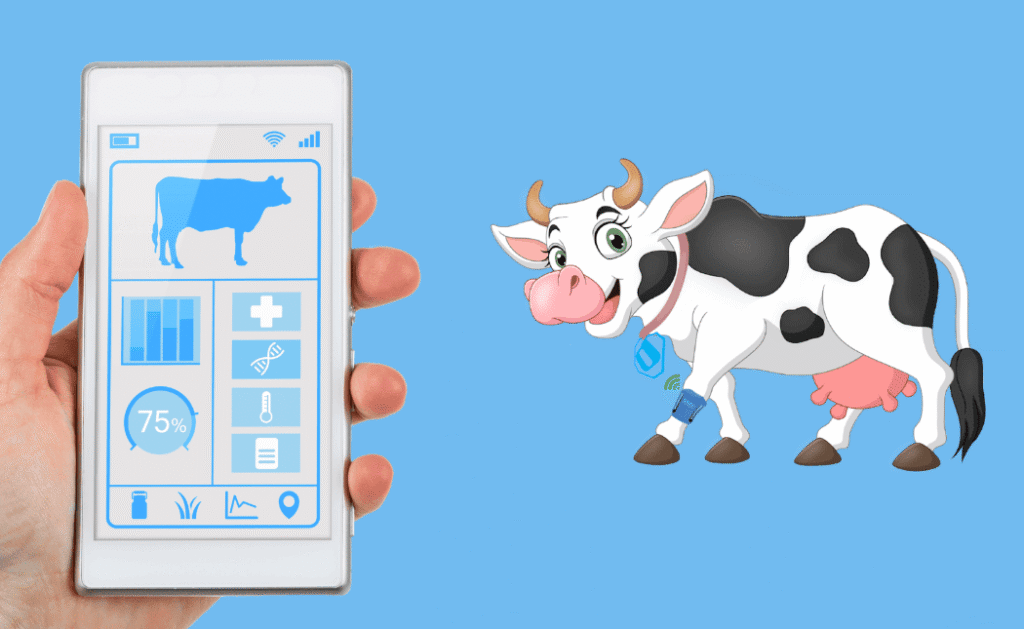
A cow may show subtle changes in behavior or production before a problem becomes visually obvious.
Monitoring information such as:
- Activity
- Rumination
- Milk production
- Feeding behavior
- Milk characteristics
- Body temperature
- General behavior
can provide additional signals for farm staff to investigate.
Delmer’s Mastitis Detection and Cow Health Solutions can support farms in identifying potential health-related changes.
Technology does not replace professional veterinary assessment. Instead, it provides additional information that can support timely investigation and management.
5. Strengthen Reproductive Management
Reproductive performance directly influences the efficiency of a dairy herd.
Missed heat events, delayed breeding and extended periods between calving can affect overall herd economics.
Digital monitoring can help organize information related to:
- Heat detection
- Breeding
- Pregnancy
- Calving
- Reproductive history
- Individual cow performance
A centralized Dairy Herd Management Software solution can make it easier to maintain and access these records.
Better record management can help farm teams make reproductive decisions based on current information rather than incomplete or outdated records.
6. Manage Heat Stress With Environmental Data
The cow is not the only source of important farm data.
Environmental conditions can also influence animal performance.
Temperature and humidity are particularly important in hot climates. High heat and humidity can affect cow comfort, feeding behavior, and productivity.
Monitoring the Temperature-Humidity Index (THI) can help farmers understand when cows may be exposed to increased heat-stress conditions.
Appropriate ventilation and cooling can then become part of the farm’s response strategy.
Delmer’s Smart Ventilation and Cooling Solutions provide options for improving airflow and cow comfort in dairy facilities.
7. Don’t Ignore Cow Comfort
Profitability and animal comfort are not necessarily separate objectives.
Cows spend a significant amount of time resting, eating, drinking and moving around the farm. Poor facility conditions can affect behavior, mobility and overall comfort.
Dairy farms can therefore benefit from evaluating:
- Resting surfaces
- Flooring
- Cow movement
- Drinking access
- Feeding access
- Scratching and grooming opportunities
- Ventilation
Delmer’s Cow Comfort Products include cow mats, cubicles, brushes and related equipment.
8. Connect Data Instead of Keeping It in Silos
One of the biggest opportunities in modern dairy farming is connecting different sources of information.
Consider a simple example:
Cow ID → Activity → Milk Production → Health Record → Reproductive Status
When these pieces of information are available together, the farmer can understand the animal more comprehensively.
Without integration, the same information may remain distributed across notebooks, spreadsheets, machines and separate software systems.
A connected dairy herd management system can bring important information into one operational environment.
Delmer’s resources on smart ventilation and cooling systems explain how ventilation, airflow and cooling can support cow comfort and productivity.
9. Turn Alerts Into Actions

An alert by itself does not improve profitability.
The real value comes from what happens after the alert.
A useful data-driven workflow can look like this:
Monitor → Detect → Investigate → Act → Measure
For example:
A monitoring system detects unusual cow activity.
↓
The farm team reviews the animal’s production and health records.
↓
The cow is physically examined.
↓
Appropriate action is taken.
↓
The result is recorded.
This creates a continuous management cycle where data supports real-world farm decisions.
10. Measure the Financial Impact


Technology should ultimately contribute to measurable improvements.
Before investing in a new system, dairy farms should identify what they want to improve.
Learn more about Delmer CowComfort AI, a smart solution for monitoring cow comfort, behavior, and environmental conditions to support healthier and more productive herds.
Possible measurements include:
- Milk production per cow
- Feed efficiency
- Labor hours
- Health events
- Reproductive performance
- Treatment costs
- Milk quality
- Cow replacement rates
- Heat-stress impact
- Equipment utilization
The exact return on investment will differ from one farm to another.
Therefore, farmers should evaluate technology according to their herd size, management practices, labor availability and specific operational challenges.
How to Start Building a Smart Dairy Farm

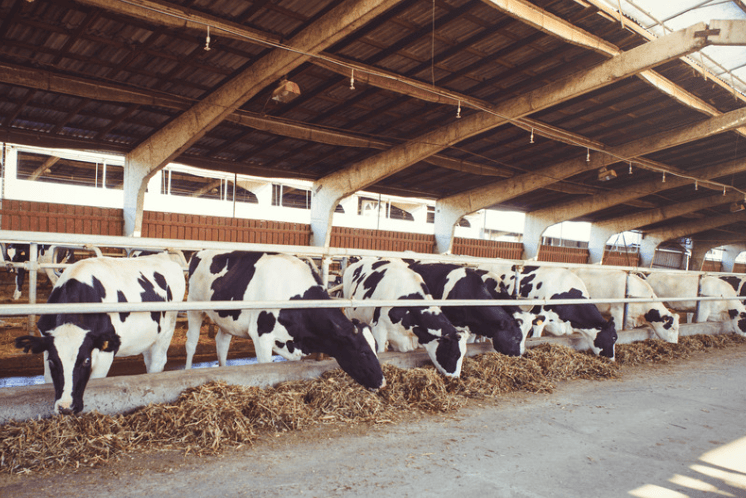
A farm does not need to digitize every process at the same time.
A practical strategy is to start with one important problem.
Step 1: Identify the challenge
Determine whether the biggest issue is health, reproduction, milk production, labor, feeding or environmental stress.
Step 2: Select useful data
Choose technology that can provide information directly related to that challenge.
Step 3: Centralize records
Bring animal, production, health and reproductive information into an organized system.
Step 4: Create meaningful alerts
Focus on changes that require investigation instead of generating unnecessary notifications.
Step 5: Take action
Use the information alongside farm staff experience and professional advice.
Step 6: Measure the result
Compare performance before and after implementation.
This approach allows farmers to understand whether technology is actually creating operational value.
Explore Delmer Hoof Trimming Solutions for efficient hoof care equipment that supports cattle mobility, comfort, and overall herd health.
The Future of Dairy Farming Is Connected
Dairy farming is becoming increasingly data-driven, but successful digital transformation is not about having the largest number of sensors or the most complicated software.
It is about using relevant information to make better decisions.
Cow monitoring can provide behavioral insights. Milk meters can measure production performance. Herd management software can organize records. Environmental monitoring can highlight heat-stress risks. Cow comfort equipment can support better housing conditions.
When these technologies work together, farmers can develop a clearer understanding of their herd and farm operations.
The future of dairy profitability will therefore depend not only on producing more milk, but also on using resources efficiently, identifying problems early and making informed decisions at the individual-cow and herd level.
Frequently Asked Questions
How can dairy farm data improve profitability?
Dairy farm data can help farmers identify production changes, health concerns, reproductive issues, feeding opportunities and operational inefficiencies, allowing them to make more informed management decisions.
What data should a dairy farmer monitor?
Important information can include milk production, cow activity, rumination, reproductive events, health indicators, feeding behavior and environmental conditions.
What is precision dairy farming?
Precision dairy farming uses technologies such as sensors, software, identification systems and automated equipment to collect information about cows and farm operations for more precise management.
How does cow monitoring work?
Cow monitoring systems track measurable behavioral or physiological indicators and can identify changes that may require further investigation by the farm team.
Why is dairy herd management software useful?
Dairy herd management software can organize animal records, health information, reproduction data and production information in a centralized system, making it easier to access and manage farm information.
Can technology reduce dairy farm costs?
Technology may help reduce costs by improving labor efficiency, supporting earlier detection of problems, improving resource management and providing better information for operational decisions. The actual financial impact depends on the farm and how the technology is implemented.
Conclusion
Dairy farm data becomes valuable when it leads to better action.
The combination of cow monitoring, milk production tracking, herd management software, environmental monitoring and cow-comfort solutions can give dairy farmers a more complete understanding of their operations.
Instead of asking how much data a farm can collect, the better question is:
What information can help us make our next dairy farming decision better?
That shift—from simply monitoring the herd to actively using information—can become an important part of building a more efficient, connected and sustainable dairy operation.Explore Delmer’s Dairy Herd Management Solutions, Cow Monitoring Systems, and Cow Comfort Solutions to learn more about connected dairy farm technology.