
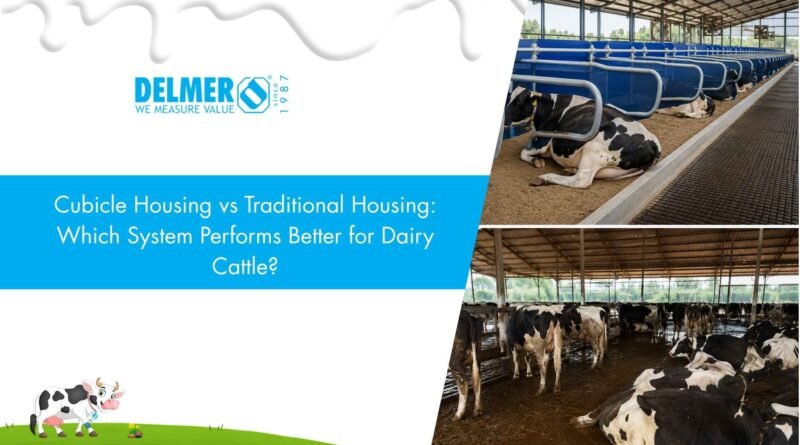
Cubicle Housing vs Traditional Housing: Which System Performs Better for Dairy Cattle?
Introduction
Housing plays a crucial role in dairy farm productivity, animal welfare, and overall profitability. As dairy farming evolves toward greater efficiency and sustainability, farmers are increasingly evaluating modern housing systems that improve cow comfort while reducing labor and operational costs.
Among the most debated options are cubicle housing systems and traditional housing systems. While traditional housing has been used for generations, cubicle housing has gained popularity due to its ability to enhance hygiene, animal health, and milk production.
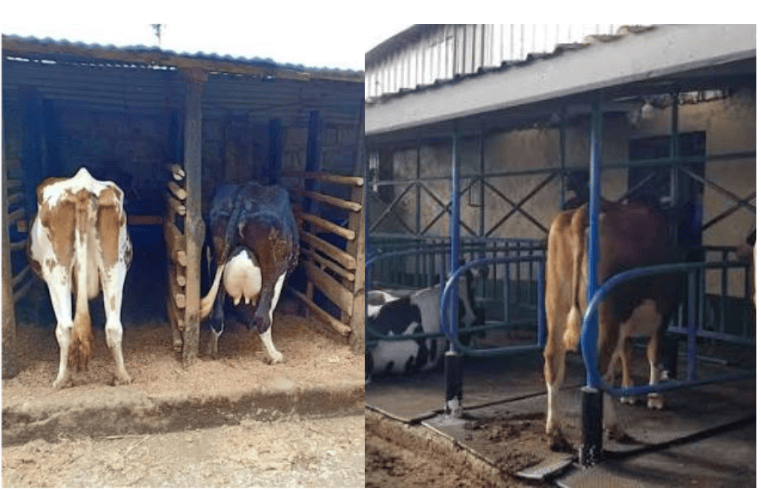
For farms aiming to improve cow comfort and milk production, the DelFlex Cubicles system provides flexible, injury-reducing housing that promotes longer resting times, better welfare, and improved herd performance.
But which system performs better for modern dairy farms? This article compares cubicle housing and traditional housing based on cow comfort, health, labor efficiency, cleanliness, and economic returns.
Understanding Cubicle Housing
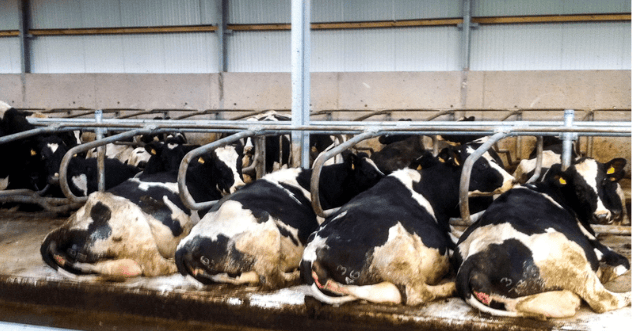
A cubicle housing system, also known as a free-stall housing system, provides individual resting spaces (cubicles) where cows can comfortably lie down while still moving freely throughout the barn.
Each cubicle is designed to:
- Support natural resting behavior
- Keep cows clean and dry
- Minimize manure contamination
- Reduce injuries caused by overcrowding
Modern cubicles often include:
- Cow mattresses
- Rubber mats
- Sand bedding
- Flexible partitions
- Automatic manure scraping systems
Upgrade your dairy housing with DelFlex Cubicles, designed to enhance cow comfort, maintain cleanliness, and support higher productivity through optimized resting spaces.
Understanding Traditional Housing
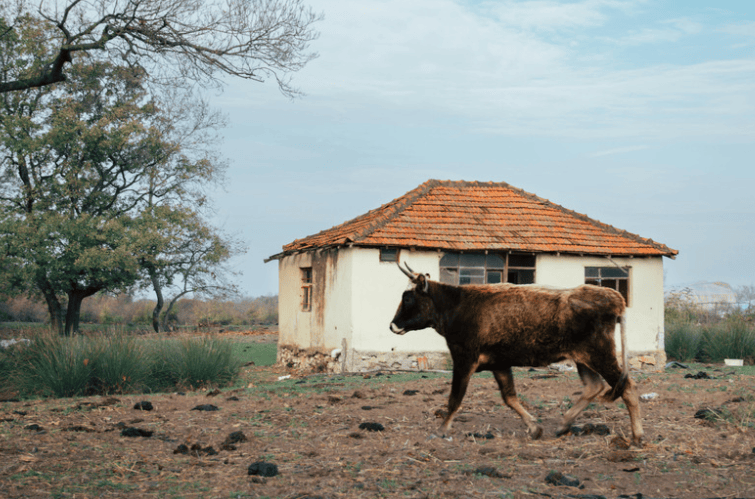
Traditional housing generally consists of open-floor sheds or tie-stall arrangements where cows are housed collectively with less structured resting areas.
Common characteristics include:
- Shared lying areas
- Manual manure cleaning
- Lower initial infrastructure investment
- Simpler construction requirements
While traditional systems are common in small and medium-sized dairy farms, they often face challenges related to cleanliness, cow comfort, and labor requirements.
If you’re looking to scale your dairy operation while reducing costs and risks, CowComfort AI is the future-ready solution your farm needs.
Key Comparison: Cubicle Housing vs Traditional Housing
1. Cow Comfort
Cubicle Housing
Cubicles are specifically designed to accommodate a cow’s natural lying and rising movements. Properly designed cubicles encourage cows to rest longer and more comfortably.
Benefits include:
- Reduced stress
- Better body condition
- Improved hoof health
- Increased resting time
Traditional Housing
In traditional systems, cows often compete for resting space. Wet or uneven floors may discourage adequate resting.
Challenges include:
- Reduced lying time
- Increased stress levels
- Greater risk of injuries
Winner: Cubicle Housing
Discover the best milking machine for cattle from Delmer Group designed for efficiency, hygiene, and higher dairy productivity.
2. Milk Production
Research consistently shows that comfortable cows produce more milk.
When cows rest sufficiently:
- Blood flow to the udder increases
- Feed efficiency improves
- Energy utilization becomes more effective
Cubicle systems typically allow cows to spend 12–14 hours resting daily, supporting higher milk yields.
Traditional systems may reduce resting time due to overcrowding or poor bedding conditions.
Winner: Cubicle Housing
3. Udder Health and Mastitis Prevention
Mastitis remains one of the most costly diseases in dairy farming.
Cubicle Housing
Advantages include:
- Cleaner udders
- Dry bedding
- Reduced bacterial exposure
- Lower somatic cell counts
Traditional Housing
Shared resting areas often become contaminated with manure and urine, increasing infection risks.
Winner: Cubicle Housing
Revolutionize your milk production with smart dairy farm automation – boosting efficiency, hygiene, and profits effortlessly.
4. Labor Efficiency
Labor costs continue to rise globally, making efficient housing systems increasingly important.
Cubicle Housing
Many modern barns integrate:
- Automatic manure scrapers
- Mechanical feeding systems
- Automated ventilation
These technologies significantly reduce manual labor requirements.
Traditional Housing
Typically requires:
- Manual cleaning
- Frequent bedding replacement
- Higher labor input per animal
Winner: Cubicle Housing
Optimize performance and health with a smart herd management system – your digital partner for efficient dairy farming.
5. Animal Cleanliness
Clean cows are healthier, easier to manage, and produce higher-quality milk.
Cubicle Housing
Properly designed cubicles help keep cows:
- Dry
- Cleaner
- Less exposed to pathogens
Traditional Housing
Manure accumulation is often greater, leading to dirtier animals and increased disease pressure.
Winner: Cubicle Housing
Enhance productivity with an automated feed management system that ensures precise nutrition and reduces feed wastage.
6. Hoof Health
Lameness is a major economic concern for dairy producers.
Cubicle Housing
Benefits include:
- Better resting opportunities
- Reduced standing time
- Improved hoof condition
Traditional Housing
Extended standing on wet surfaces can increase hoof disorders and lameness.
Winner: Cubicle Housing
7. Initial Investment Cost
This is where traditional housing often has an advantage.
Cubicle Housing
Requires investment in:
- Stall partitions
- Bedding systems
- Flooring
- Ventilation infrastructure
Traditional Housing
Typically has:
- Lower construction costs
- Simpler design requirements
- Faster setup
Winner: Traditional Housing
8. Long-Term Profitability
Although cubicle housing requires higher upfront investment, it often generates better long-term returns through:
- Increased milk production
- Reduced veterinary expenses
- Improved fertility
- Lower labor costs
- Longer productive lifespan of cows
Traditional systems may appear economical initially but can incur higher operational costs over time.
Winner: Cubicle Housing
Improve farm hygiene and sustainability with an efficient manure management solution for waste handling and nutrient recycling.
Performance Comparison Table
| Factor | Cubicle Housing | Traditional Housing |
| Cow Comfort | Excellent | Moderate |
| Milk Yield | Higher | Moderate |
| Udder Health | Better | Higher Mastitis Risk |
| Labor Efficiency | High | Lower |
| Cleanliness | Excellent | Moderate |
| Hoof Health | Better | Greater Risk |
| Initial Cost | Higher | Lower |
| Long-Term Profitability | Higher | Moderate |
Why Modern Dairy Farms Are Switching to Cubicle Housing
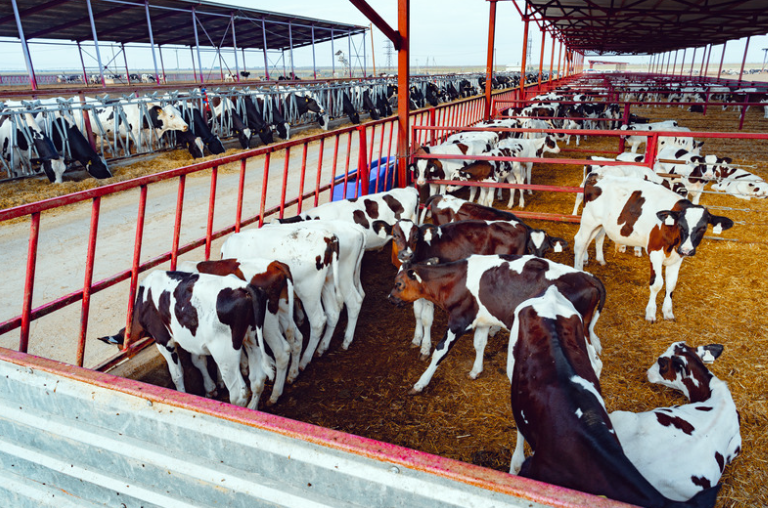
The global dairy industry is increasingly adopting cubicle housing because it aligns with modern farming goals:
- Improved animal welfare
- Better milk quality
- Reduced disease incidence
- Greater labor efficiency
- Enhanced farm sustainability
Large commercial dairies and progressive medium-sized farms are investing in cubicle systems to remain competitive and meet growing consumer expectations regarding animal welfare.
Plan your dairy farm with confidence through Delmer’s comprehensive turnkey dairy project solutions, covering everything from farm design and infrastructure planning to equipment integration and long-term operational efficiency.
Best Practices for Successful Cubicle Housing
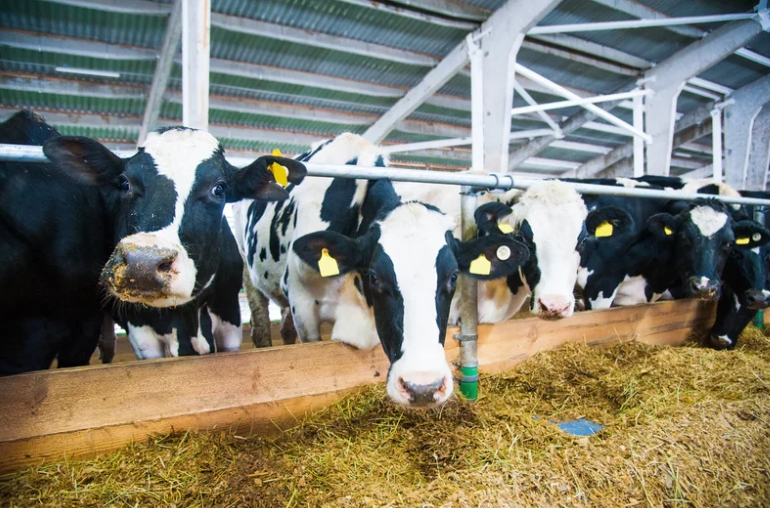
To maximize performance:
Use Proper Cubicle Dimensions
Cubicles should match the breed and size of cattle.
Provide Comfortable Bedding
Options include:
- Sand
- Rubber mats
- Cow mattresses
- Organic bedding materials
Ensure Adequate Ventilation
Proper airflow reduces heat stress and improves cow comfort.
Maintain Cleanliness
Regular manure removal is essential for udder health and hygiene.
Monitor Cow Behavior
Observe:
- Lying time
- Stall occupancy
- Injury rates
- Lameness indicators
Conclusion
When comparing cubicle housing vs traditional housing, cubicle systems outperform traditional setups in nearly every critical area, including cow comfort, milk production, udder health, labor efficiency, cleanliness, and long-term profitability.
Although traditional housing may require less initial investment, the benefits of cubicle housing often outweigh the higher setup costs through improved productivity and reduced operating expenses.
For dairy farmers seeking sustainable growth, better animal welfare, and higher returns, cubicle housing represents one of the most effective investments in modern dairy farm management.
for more information visit delmerindia.com
Frequently Asked Questions (FAQs)
What is a cubicle housing system for dairy cows?
A cubicle housing system provides individual resting spaces where cows can lie comfortably while moving freely throughout the barn. It improves hygiene, comfort, and productivity.
Does cubicle housing increase milk production?
Yes. Comfortable cows spend more time resting, which improves feed efficiency, udder blood circulation, and overall milk yield.
Is cubicle housing better for mastitis prevention?
Yes. Properly maintained cubicles keep cows cleaner and reduce exposure to bacteria, lowering mastitis risk.
Why do farmers still use traditional housing systems?
Traditional housing generally requires lower initial investment and is easier to construct, making it attractive for small farms with limited budgets.
Is cubicle housing suitable for small dairy farms?
Yes. Small and medium-sized farms can benefit from improved animal health, milk production, and labor efficiency through properly designed cubicle systems.
What bedding is best for cubicle housing?
Popular options include sand bedding, rubber mats, cow mattresses, and organic bedding materials. The best choice depends on farm management practices and budget.
How much resting time should a dairy cow have?
High-producing dairy cows typically require 12 to 14 hours of resting time daily for optimal health and milk production.
Does cubicle housing reduce labor costs?
Yes. Cubicle systems can integrate automated cleaning and feeding technologies, significantly reducing manual labor requirements.