
Dairy Farm Business Models: Comparing 50, 100 & 200 Cattle Dairy Farm Setups
The dairy industry continues to be one of the most reliable agricultural business sectors, offering strong demand and recurring income opportunities. Whether you’re starting with a 50-cattle dairy farm, planning a 100-cattle dairy farm, or building a 200-cattle dairy farm, selecting the right infrastructure and operational model is essential for long-term success.
If you’re looking to scale your dairy operation while reducing costs and risks, CowComfort AI is the future-ready solution your farm needs.
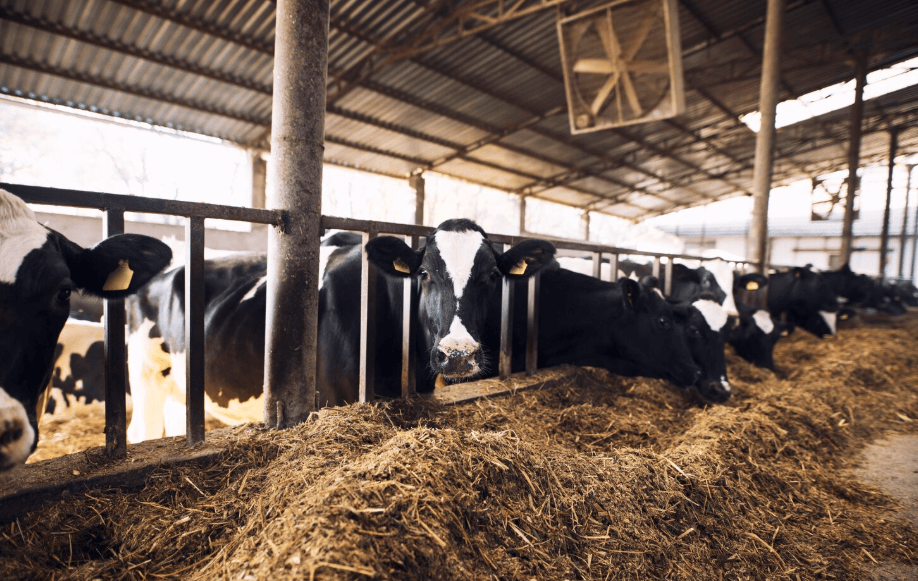
This guide compares three popular dairy farm capacities to help farmers, investors, and agribusiness owners choose the right dairy farming setup.
50 Cattle Dairy Farm: Smart Entry into Commercial Dairy Farming
A 50 cattle dairy farm setup is ideal for entrepreneurs entering the dairy business with moderate investment. It provides manageable operations while generating dependable milk production.
Why Choose a 50 Cattle Dairy Farm?
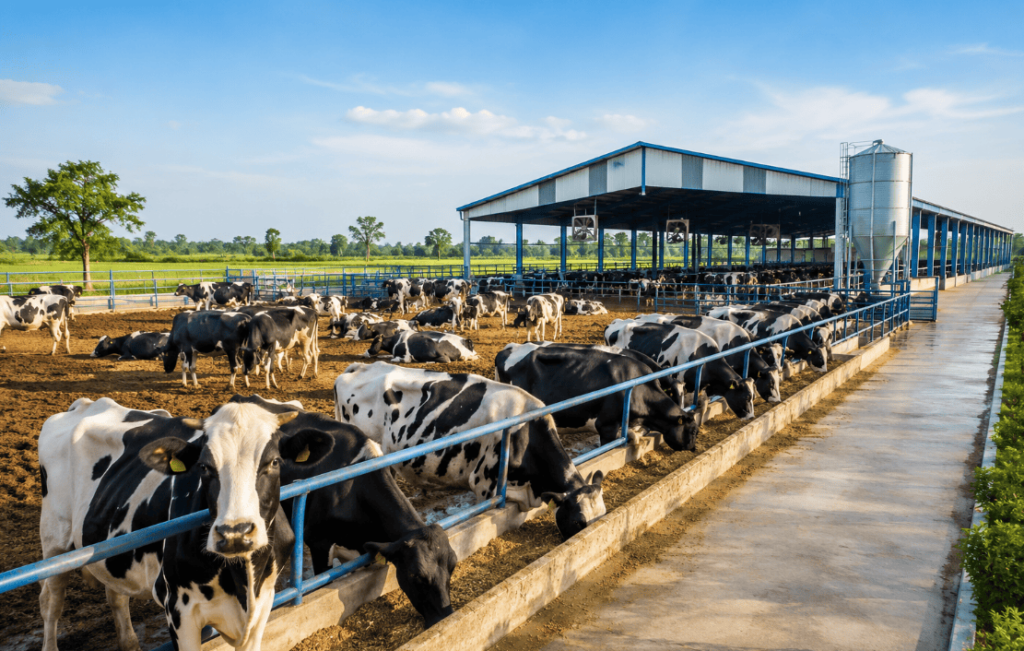
This scale offers the right balance between affordability and productivity. It allows farmers to gain hands-on dairy management experience without the complexity of large-scale operations.
Key Benefits
- Lower startup investment
- Easier herd management
- Reduced labor dependency
- Faster operational control
- Suitable for growing dairy entrepreneurs
Suggested Farm Infrastructure
A practical dairy farm design should include:
- Comfortable cattle housing shed
- Feeding corridor
- Milking station
- Clean water supply area
- Calf management section
- Feed storage unit
- Waste disposal area
Maintaining proper hygiene and airflow is essential for healthy milk production.
Delmer offers modern milking parlours designed for smooth operations, excellent hygiene, higher milk yield, and unmatched animal comfort — helping dairy farms run efficiently and profitably.
Equipment for Better Efficiency
Recommended dairy equipment:
- Portable milking machine
- Chaff cutter
- Milk collection containers
- Water trough systems
- Cattle weighing equipment
- Basic manure cleaning tools
Profit Scope
With proper breed management, nutrition planning, and milk marketing, a 50-cattle dairy farm can become a profitable agricultural venture.
Considering a new barn or facility upgrade? Explore complete design and implementation solutions with Turnkey Dairy Projects.
100 Cattle Dairy Farm: Balanced Growth for Serious Dairy Operators
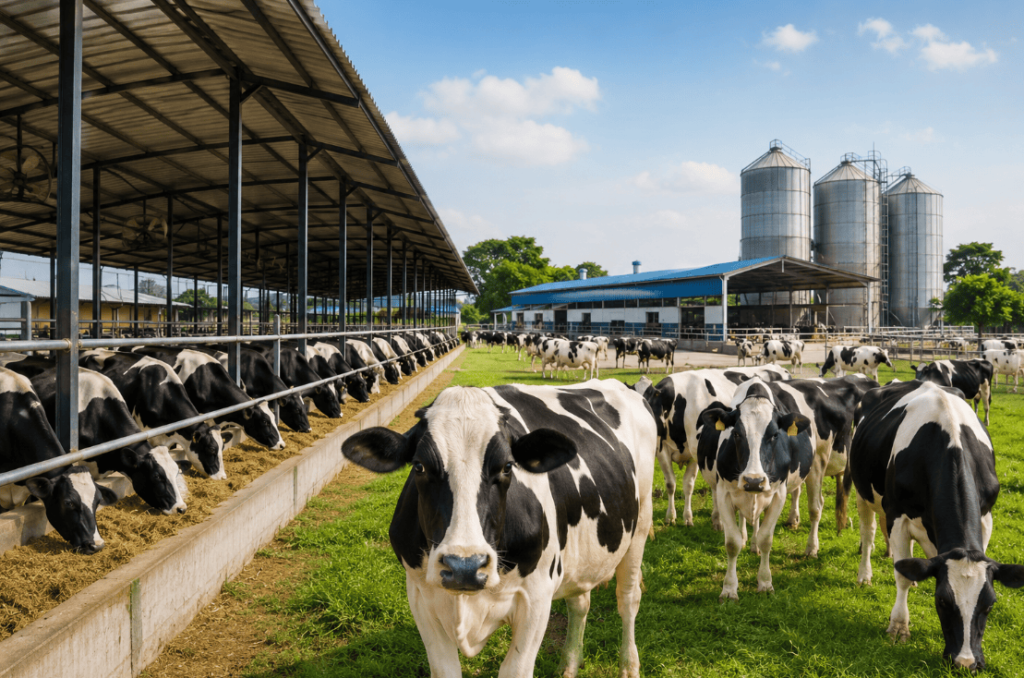
A 100-cattle dairy farm is a practical step toward full-scale commercial dairy farming. It offers increased production capacity while remaining operationally manageable with the right systems.
Why Scale to 100 Cattle?
At this stage, operational efficiency becomes more important. Mechanization helps improve milk output while reducing labor dependency.
Major Advantages
- Higher daily milk production
- Better cost efficiency
- Improved automation potential
- Stronger market competitiveness
- Better long-term return on investment
Farm Planning Essentials
A medium commercial dairy setup should feature:
- Expanded cattle housing
- Dedicated milking parlour
- Calf and breeding sections
- Veterinary isolation area
- Feed storage zone
- Silage preparation space
- Waste handling infrastructure
Proper layout planning improves workflow and animal comfort.
Equipment Recommendations
Useful machinery for this scale:
- Multi-cluster milking machines
- Milk cooling systems
- Feed mixer machines
- Chaff cutter
- Cooling fans or misting systems
- Animal monitoring tools
- Weighing scales
Business Opportunity
A 100-cattle dairy farm can support local milk supply chains, cooperative partnerships, and private dairy product businesses.
A productive dairy farm depends on the health and comfort of its animals. Automatic fans, ventilation, and sprinkler systems help maintain optimal barn conditions by adjusting to temperature and humidity levels, ensuring consistent cooling and better cow comfort.
200 Cattle Dairy Farm: High-Capacity Commercial Dairy Operation
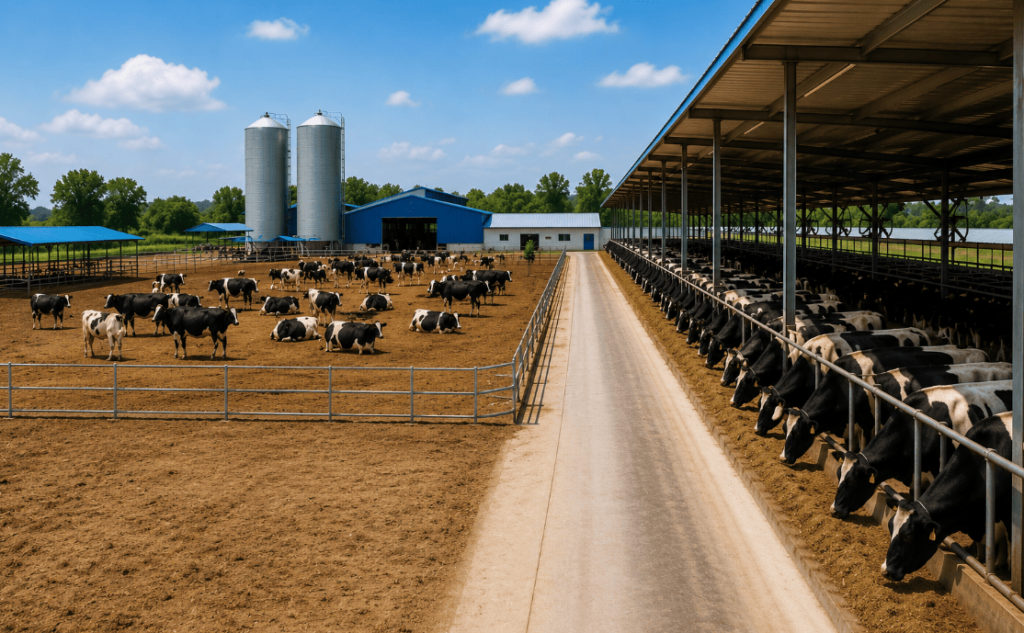
A 200-cattle dairy farm is designed for commercial dairy businesses focused on maximum productivity and efficient farm management. This model suits experienced operators and agricultural investors.
Why Invest in a 200 Cattle Dairy Farm?
Large-scale dairy farming benefits from economies of scale, automation, and professional management systems.
Business Advantages
- High-volume milk production
- Lower per-unit production cost
- Better automation efficiency
- Scalable business expansion
- Strong commercial profitability
Feeding a Total Mixed Ration is a modern, proven way to support the health, milk production, and efficiency of your dairy operation. While the system requires planning, investment, and management, the long-term gains in productivity and cow health can be significant.
Infrastructure for Large Dairy Farms
An efficient large dairy farm setup may include:
- Multiple cattle sheds
- Automated feeding systems
- Professional milking parlour
- Bulk milk chilling area
- Feed processing section
- Silage storage bunkers
- Veterinary care room
- Staff support facilities
- Waste recycling systems
Planning infrastructure properly reduces operational bottlenecks.
Advanced Equipment for Commercial Operations
Recommended machinery:
- Automatic milking systems
- Bulk milk cooling tanks
- Feed mixer wagons
- Conveyor feeding solutions
- Cattle weighing machines
- Automated manure scrapers
- Climate control systems
- Cow health monitoring tools
Commercial Growth Potential
This model is ideal for:
- Milk supply contracts
- Dairy processing businesses
- Cooperative dairy ventures
- Institutional milk supply
To promote animal health further and comfort, Delmer’s Cow Comfort Brush offers gentle massaging action, improves blood circulation, and reduces stress — resulting in happier, healthier, and more productive cows.
Choosing the Right Dairy Farm Capacity
Selecting the right dairy farm depends on your resources and goals.
Investment Budget
Smaller farms are cost-effective, while larger farms demand significant capital.
Land Availability
Farm expansion requires proper space planning for sheds, storage, and operations.
Workforce Management
Higher cattle numbers require trained labor and structured workflows.
Technology Adoption
Larger dairy farms benefit more from automation and smart farm equipment.
Market Demand
Reliable milk buyers and distribution channels improve profitability.
A manure scraper efficiently collects and removes manure from dairy farm alleyways, keeping cow housing clean and reducing ammonia emissions.
Conclusion
From a 50 cattle dairy farm for growing entrepreneurs to a 200 cattle dairy farm for industrial dairy businesses, every setup offers unique advantages. Success depends on strong planning, animal welfare, efficient equipment, and smart business management.
Modern dairy farming is an investment in sustainable food production and long-term agricultural growth.
for more information visit delmergroup.com